The demand for private label clothing manufacturers continues to grow as fashion brands seek greater control over product quality, branding, and profit margins. To build a successful clothing brand, you need a reliable private label clothing manufacturer.
A good manufacturing partner gives you quality products, fair pricing, and enough flexibility to grow. A bad one gives you delays, weak quality control, and wasted money.
This guide features 15 leading private label clothing manufacturers in the United States, comparing their manufacturing capabilities, minimum order quantities (MOQs), ideal use cases and more.
You’ll also learn what private label apparel is, how the private label manufacturing process works, and answers to FAQs. By the end of this guide, you’ll have a clearer understanding of which should be your go-to private label clothing manufacturer.
What Is Private Label Apparel?
Private label apparel refers to clothing made by a manufacturer and sold under a different brand’s name. The manufacturer designs or follows a design, produces the garment, and the brand adds its own labels, tags, and packaging before selling it as their own product. Unlike wholesale apparel, private label clothing allows businesses to build unique products without owning manufacturing facilities.
To be noted: The global private label market is projected to reach over US$1 trillion by 2030.
This is different from a few related terms that often get confused.
Private Label: The manufacturer already has a base product or pattern. The brand customizes labels, colours, and small details, then sells it under their own name.
White Label: Similar to private label, but the product stays mostly unchanged. Many brands sell the same white label product with only the logo swapped.
OEM (Original Equipment Manufacturer): The brand provides its own designs and specifications, and the manufacturer produces the garment exactly to those specs.
ODM (Original Design Manufacturer): The manufacturer designs the product for the brand, based on general direction or trend research, and the brand sells it under their name.
Private Label vs White Label
Factor | Private Label | White Label |
Customization | Higher, labels, fabric, fit changes | Low, mostly just branding |
Uniqueness | More unique to your brand | Same product sold by many brands |
Cost | Slightly higher | Usually lower |
Best For | Brands building a unique identity | Brands wanting speed and low cost |
How We Ranked These Manufacturers
Most articles about private label clothing manufacturers just list company names with a short paragraph and a contact button. We wanted to do something more useful. Each manufacturer on this list was reviewed against ten criteria:
- Years of experience in apparel manufacturing
- MOQ flexibility for small and growing brands
- Range of products offered
- Private label and custom branding capability
- OEM and ODM services
- Sustainability practices and fabric sourcing
- Average lead time
- Quality certifications
- Customer support and communication
- How friendly the manufacturer is toward startups
No manufacturer scores perfectly on every point, and we say so. If a manufacturer has a real limitation, such as a high MOQ or a slow reply time, we mention it directly instead of hiding it behind marketing language.
A Quick Peek at The Top Private Label Clothing Manufacturers
Manufacturer | Best For |
Startups & growing brands | |
Startup to enterprise cut and sew | |
High end, full-service production | |
Cut and sew basics & loungewear | |
Streetwear & embroidery | |
Sustainable, upcycled apparel | |
Basics at scale | |
Premium, tailored garments | |
Organic and sustainable basics | |
Emerging designers, very low MOQ | |
Zero waste, brand-name clients | |
Embroidery & screen printing | |
Printed & embroidered merch | |
Very low MOQ cut and sew | |
Fast turnaround custom apparel |
Benefits of Working with Private Label Clothing Manufacturers
Working with private label clothing manufacturers gives a growing brand several advantages over buying wholesale or dropshipping generic products.
Brand Ownership → Your name, your labels, your packaging.
Better Margins → Producing in bulk through a manufacturer usually costs less per unit, which improves profit margins.
Product Differentiation → Custom fabric choices, fits, and details let your products stand out.
Scalability → A good private label apparel manufacturer can grow with you, from small test runs to larger production as demand increases.
Customer Loyalty → Consistent quality and a recognizable brand identity build repeat customers over time.
Questions to Ask Before Hiring a Manufacturer
Before committing to any private label clothing manufacturer, ask these questions directly.
- Can I visit your factory or request a virtual tour?
- Do you provide tech packs, or do I need to supply my own?
- Do you own your factory, or do you outsource production?
- What certifications do you hold?
- Can I request a third party inspection before shipping?
- What is your MOQ per style and per colour?
- How long does a sample take from request to delivery?
- What happens if a bulk order fails quality inspection?
- Do you offer packaging and labeling services?
- What is your standard lead time for reorders?
Top 15 Private Label Clothing Manufacturers in the USA
1. Innovate Apparel
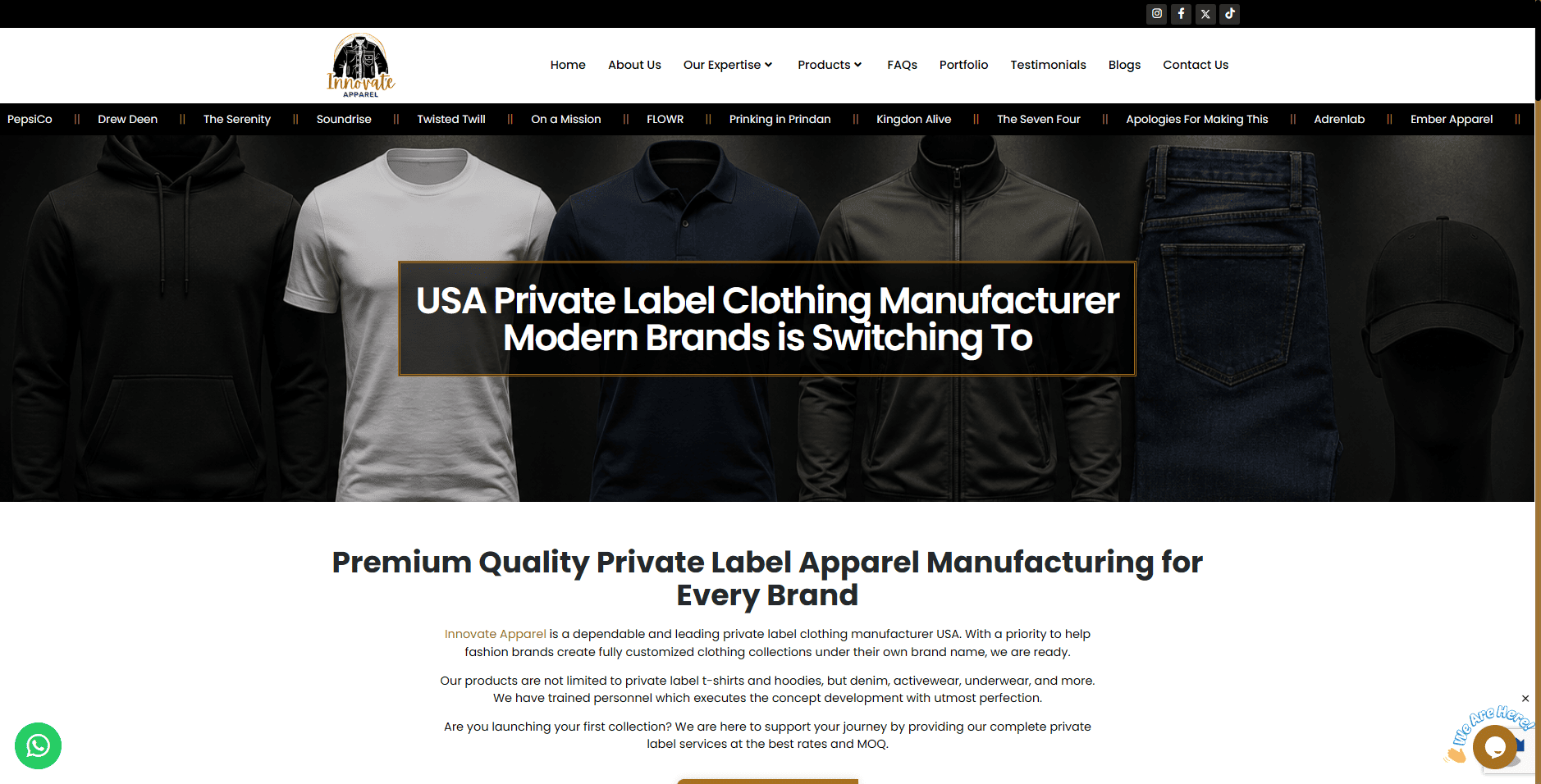
Innovate Apparel is a private label clothing manufacturer built for brands that want a real partner. The company works with startups launching their first collection and established brands scaling into new product lines, all from within the United States.
Company Overview: Innovate Apparel offers full private label and custom apparel production, including cut and sew, screen printing, embroidery, and packaging. The team supports every step from tech pack creation to final shipping.
Why They Rank First: Innovate Apparel scores well on every criterion in our methodology. The MOQ is flexible based on your needs, which is rare for a manufacturer that still offers full customization and quality control. Lead times run between two and four weeks depending on the product, and the team responds to messages quickly, which matters a lot when you are trying to hit a launch date.
If you are also looking into hoodie production specifically, Innovate Apparel’s guide to the top custom hoodie manufacturers in the USA is a useful resource for comparing hoodie focused factories side by side.
Ideal For: New fashion brands, small streetwear labels, and growing apparel companies that need a manufacturer who can scale with them.
Pros: Low minimum order quantity, fast sampling process, clear pricing with no hidden fees, responsive support team, and strong private label capability from day one.
2. ARGYLE Haus of Apparel
Best For: Startups through established brands wanting full in-house, 100% American made production.
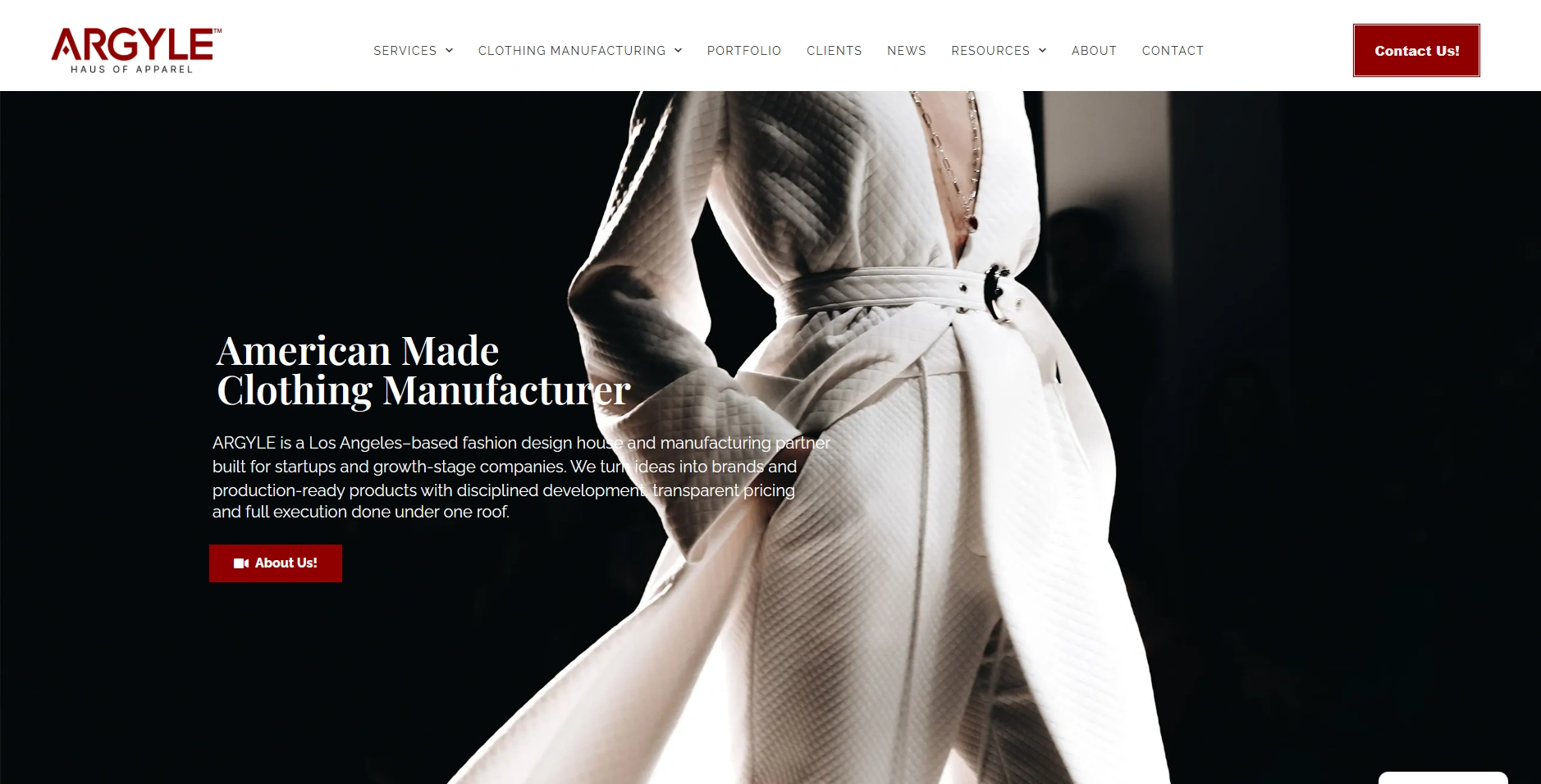
ARGYLE Haus of Apparel is a Los Angeles based clothing manufacturer that runs its own factory in the city rather than outsourcing production to another shop. Cutting, sewing, and finishing all happen under one roof, which gives the team more control over timelines and quality than manufacturers who subcontract parts of the process.
The company has helped launch a large number of startup brands over the years, so it comfortably serves both ends of the growth curve. Their production covers activewear, menswear, womenswear, swimwear, and other technical categories. Overall, making it a fully domestic option for brands that want manufacturing without offshore production.
Limitations: Pricing sits above overseas alternatives, and the tiered engagement system means newer founders may need to spend time understanding which tier fits their project before getting a straightforward quote.
3. Lefty Production Co.
Best For: Brands wanting premium, retail-ready production with experience serving high fashion and department store clients.
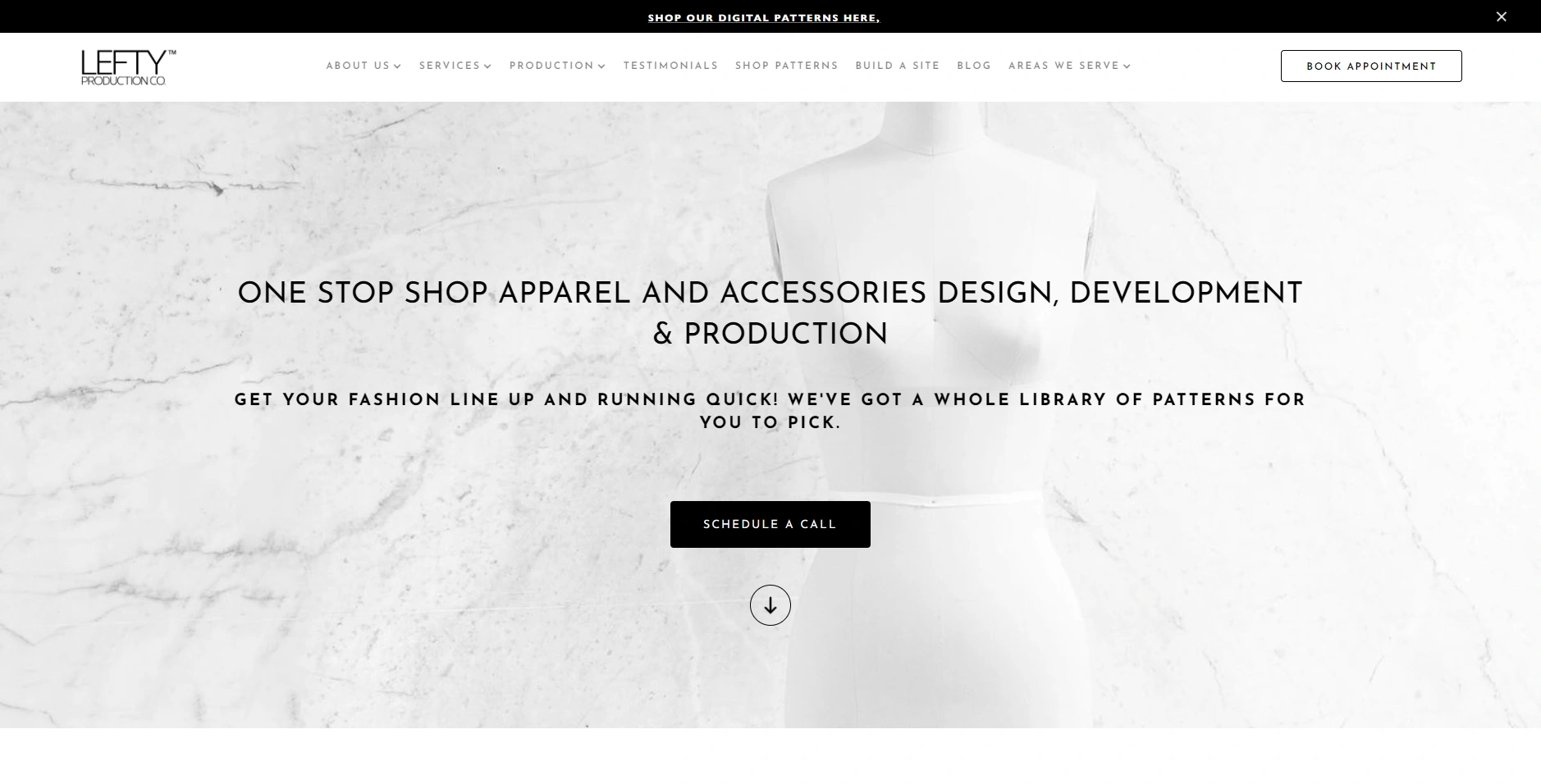
Lefty Production Co. is a full-service garment and accessories factory in Los Angeles that has built a strong client list. The company handles everything – full production, with a particular strength in swimwear, activewear, and athleisure styles.
The team is known for being domestic and Made in the USA focused, which some brands specifically look for when marketing their products. For brands with a premium positioning and a genuine need for polished, retail ready garments, Lefty is a strong long term partner.
Limitations: Pricing is quote based and not published, and the onboarding process is more involved than at manufacturers built specifically for fast, low commitment startup runs.
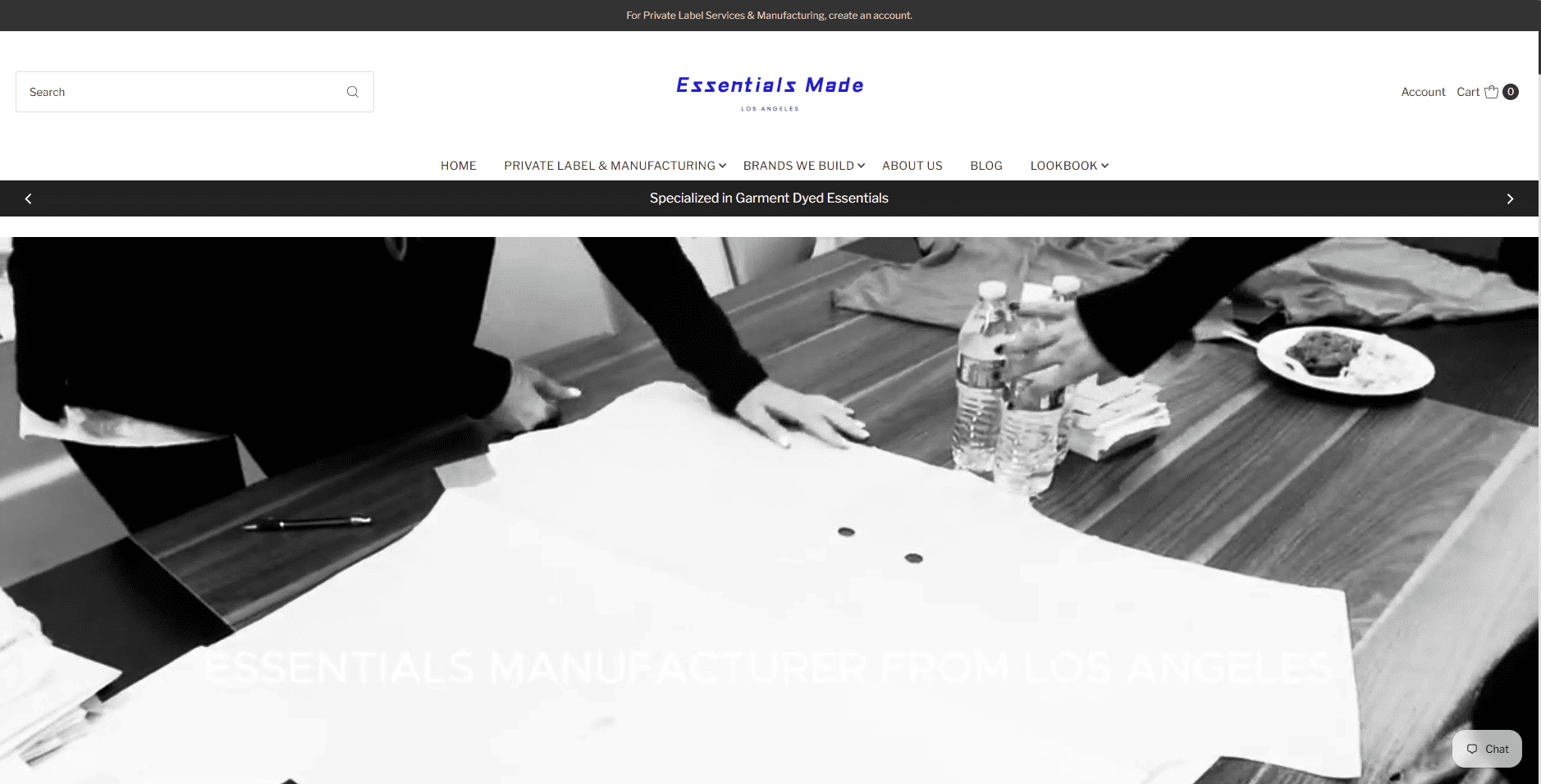
4. Essentials Made
Best For: Premium DTC brands wanting garment-dyed cotton essentials made entirely in Los Angeles.
Essentials Made is a cut and sew manufacturer based in the Arts District of Downtown Los Angeles, specializing in garment-dyed, 100% cotton essentials like hoodies, sweatpants, crewnecks, and tees. Rather than working from a catalogue of blank garments, the team develops every project from scratch using knit-to-order fabric programs, which keeps quality consistent.
The team is transparent about costs and minimums upfront, which helps founders budget accurately before committing to a first order. For brands that want true domestic quality on essentials without relying on overseas blanks, this is a solid option.
Limitations: The paid development phase and knit-to-order fabric model make per unit costs higher than blanks or overseas sourcing, and garments here are built for higher retail price points rather than budget positioning.
5. Tack Apparel
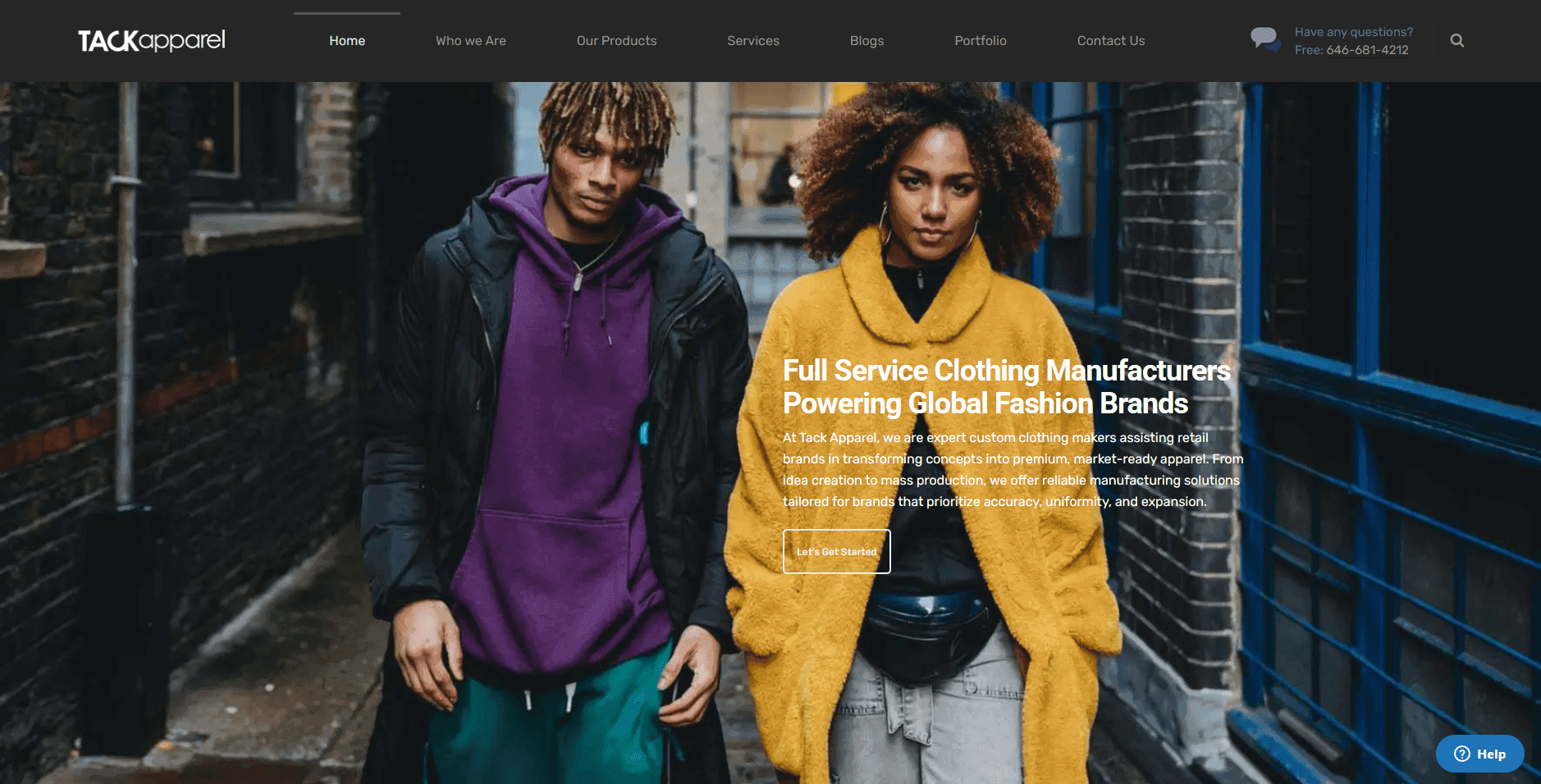
Best For: Startups and streetwear brands wanting low minimums with embroidery and printing handled in-house.
Tack Apparel is a full-service private label clothing manufacturer that helps startups and small brands bring designs from concept through bulk production. The company takes a one-stop-shop approach, offering everything all under one roof. Tack Apparel produces a wide range of categories including t-shirts, hoodies, jeans, athleisure, kidswear, and custom streetwear.
Communication and flexible order sizes are frequently mentioned as strengths, which matters for international or first time clients trying to secure reliable domestic production. This combination of low entry point and broad service range makes Tack Apparel a common recommendation for founders starting their first collection.
Limitations: As a smaller full-service operation, very large bulk orders may take longer to schedule than at factories built specifically for high volume production.
6. Suay Sew Shop
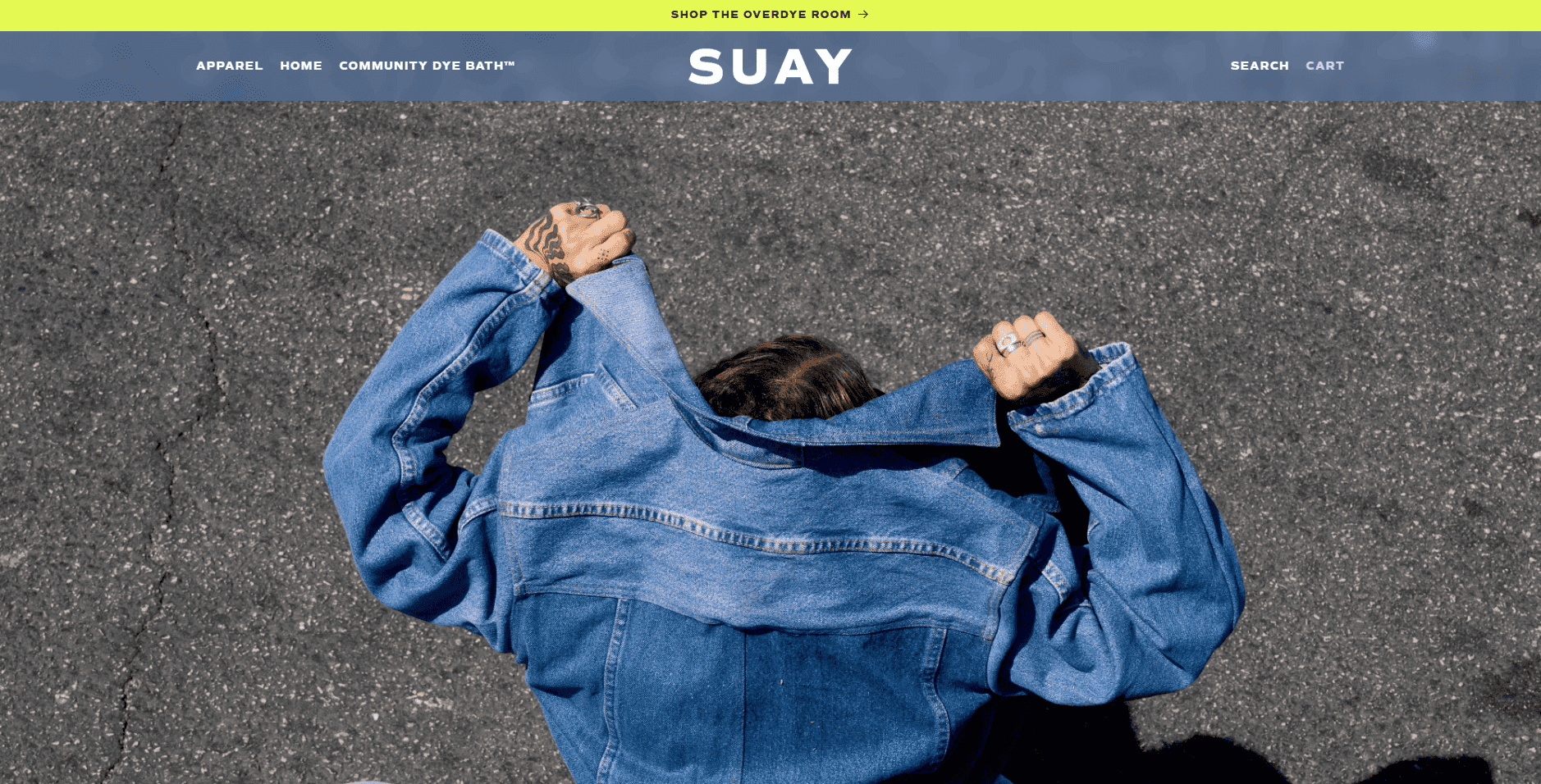
Best For: Sustainable and circular fashion brands wanting genuine upcycled, small batch production.
Suay Sew Shop is a sustainable clothing and accessory manufacturer based in the Arts District of Downtown Los Angeles, built around upcycling and reclaiming used textiles rather than sourcing new fabric for every project. The company reclaims garments and offcuts and turns them into new products, which appeals strongly to eco-conscious brands.
The team has built a strong reputation within the sustainable fashion community in Los Angeles, and brands that visit in person often value being able to see exactly how their garments are produced. Pricing reflects the more labour-intensive, materials-conscious approach compared to standard blank-based manufacturing.
For brands built specifically around circular fashion and reducing textile waste, this is one of the more authentic domestic options available.
Limitations: Fabric availability depends on reclaimed material stock rather than an open catalogue, which can affect consistency and timelines for brands needing identical repeat production.
7. Los Angeles Apparel
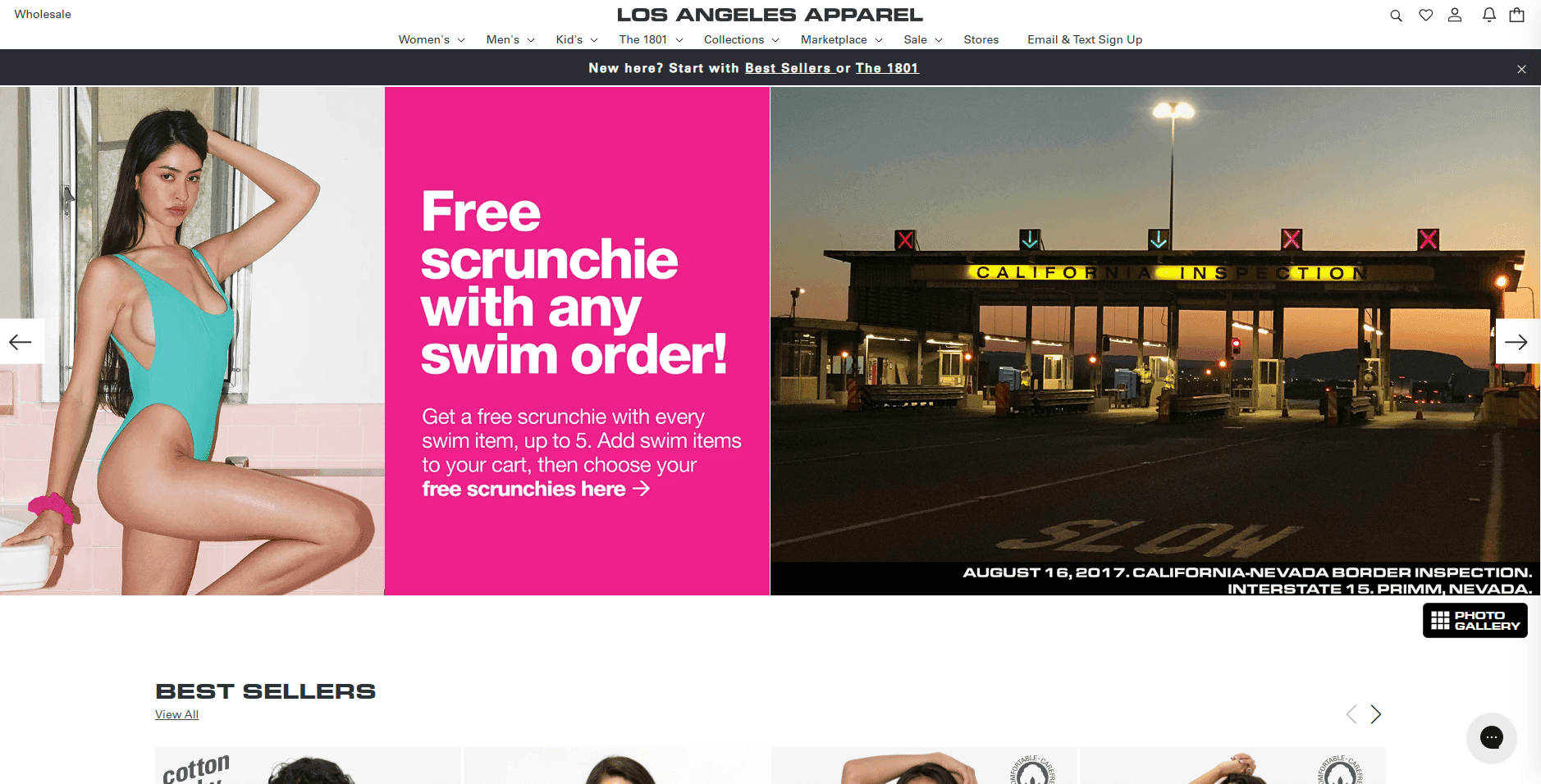
Best For: Brands needing basics like t-shirts, sweatshirts, and bodysuits at real production scale.
Los Angeles Apparel is a large, vertically integrated basics manufacturer and distributor founded by Dov Charney, the same founder behind American Apparel. The company knits and dyes its own fabric in Los Angeles and produces t-shirts, sweatshirts, bodysuits, and swimwear at a scale most small cut and sew shops cannot match.
The company has built its identity around domestic manufacturing and fair labor practices, similar to the values associated with its founder’s earlier work. This model works well for brands whose product line centres on straightforward basics like tees, hoodies, and bodysuits rather than complex, structured garments. Private labeling and deeper customization options are limited here.
Limitations: Customization and private label development are more limited than at manufacturers built specifically around bespoke design work, since the core business is efficient basics production.
8. Apparel Production Inc.
Best For: Premium, formalwear, and luxury focused brands wanting an established New York manufacturing partner.
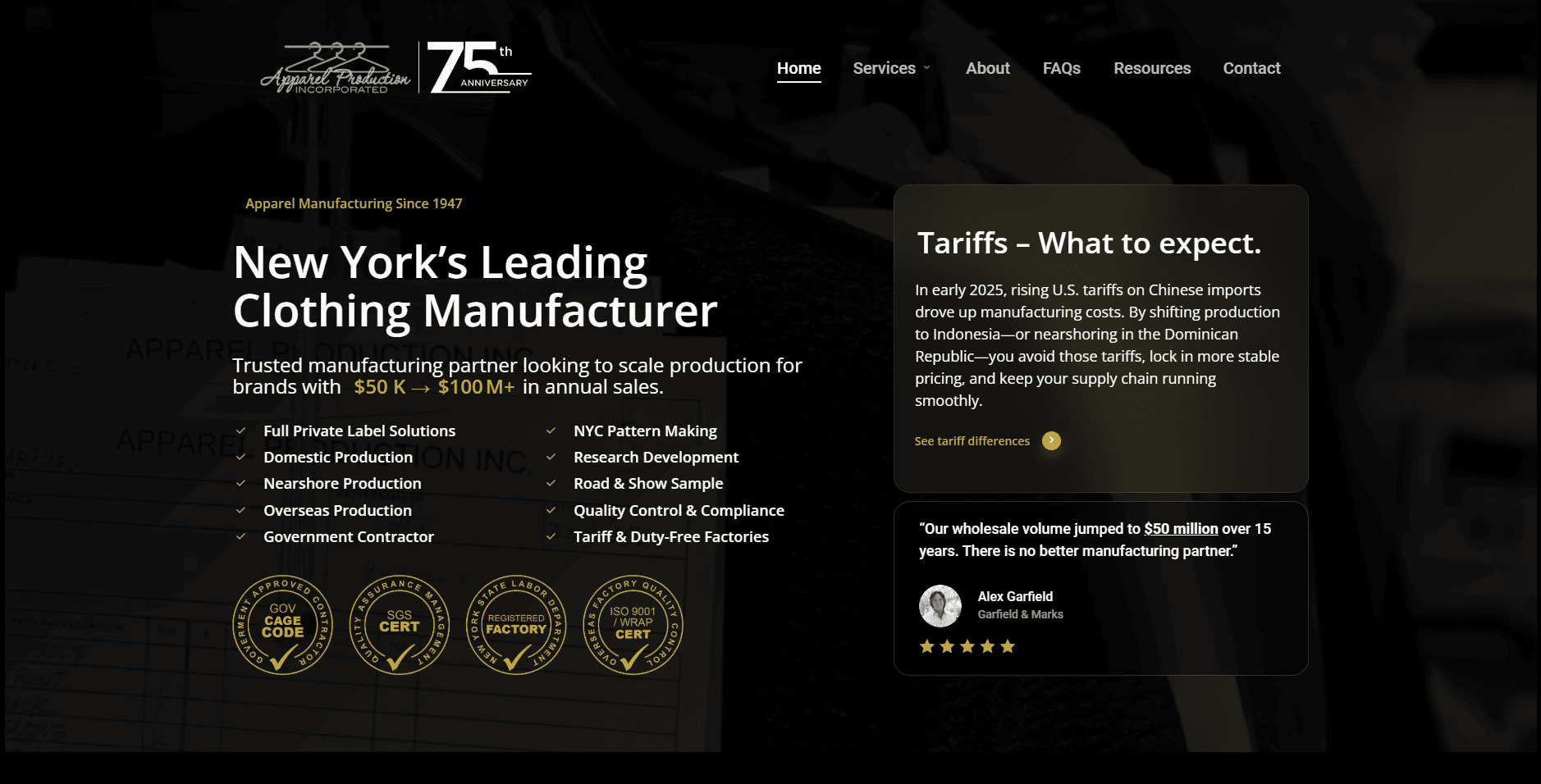
Apparel Production Inc. is a long established, family owned garment manufacturer headquartered in New York City’s Garment District, with roots dating back to 1947. Decades in the New York fashion industry have given the team deep experience with luxury, formalwear, and premium clothing brands that require a level of finishing precision not every manufacturer can deliver.
Brands looking for a manufacturer with genuine institutional experience and connections in high fashion tend to gravitate toward this option. The combination of domestic and nearshore production gives clients flexibility depending on budget and timeline needs.
Limitations: As a manufacturer built around premium and luxury work, pricing and onboarding are geared more toward established or well-funded brands than toward very early stage startups with minimal budgets.
9. Royal Apparel
Best For: Established sustainable apparel brands wanting organic and recycled fabric options at volume.
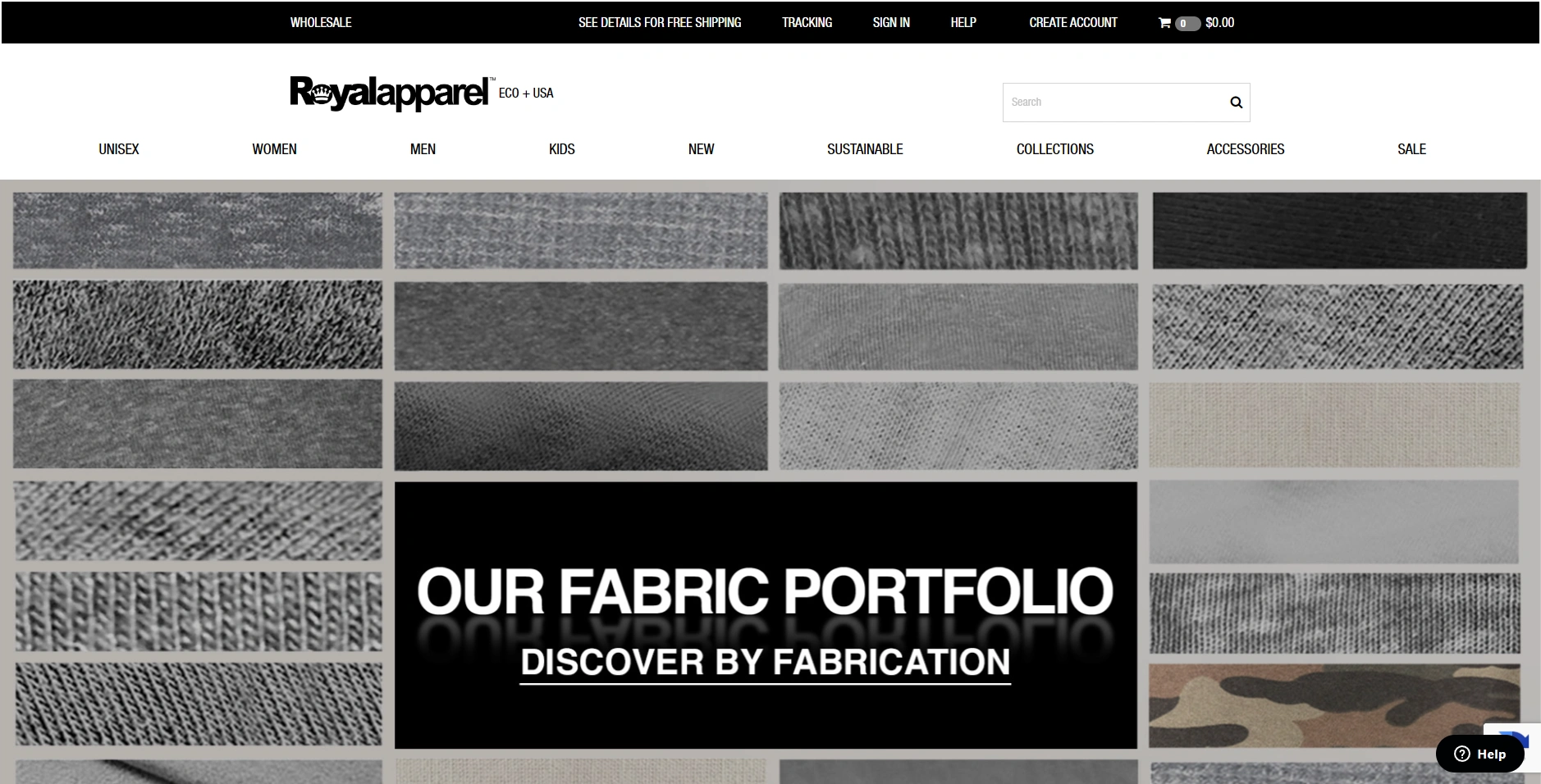
Royal Apparel is a New York based clothing manufacturer known for Made in USA private label production using organic cotton, recycled polyester, eco tri-blend, and other sustainable fabric options. The company positions itself as a sweatshop-free manufacturer, meaning it also emphasizes ethical labor conditions.
Royal Apparel serves both wholesale accounts and private label clients, offering finishing options like screen printing, embroidery, and custom or relabeling services on top of its base garment offering. For brands still testing their first collection, the minimums here can be a real barrier to entry.
Limitations: Private label minimums run considerably higher than small-batch specialists, generally 1,200 to 1,800 units per colour and style, which puts genuine startup testing out of reach for many new brands.
10. Good Clothing Company (Closed)
Best For: Emerging designers wanting to test a design with genuinely low minimums before committing to bulk production.
Good Clothing Company operates a manufacturing facility in Fall River, Massachusetts, and is known for offering some of the lowest private label minimums in the country, as low as ten pieces per size, style, and colour. This small-batch model gives emerging designers a genuine way to test a design in the real market without committing to the large upfront inventory that traditional overseas manufacturing usually requires.
The team works with designers from all over the country, coordinating remotely for brands that cannot visit the Fall River facility in person. This combination of very low entry minimums and scalable capacity is relatively rare among US manufacturers, most of which pick one end of that range or the other.
Limitations: As a smaller, small-batch focused facility, very large or highly technical production runs may face longer lead times than at bigger, more specialized factories.
11. Portland Garment Factory
Best For: Brands wanting verified zero-waste, sustainable production with a track record working alongside major athletic and outdoor brands.
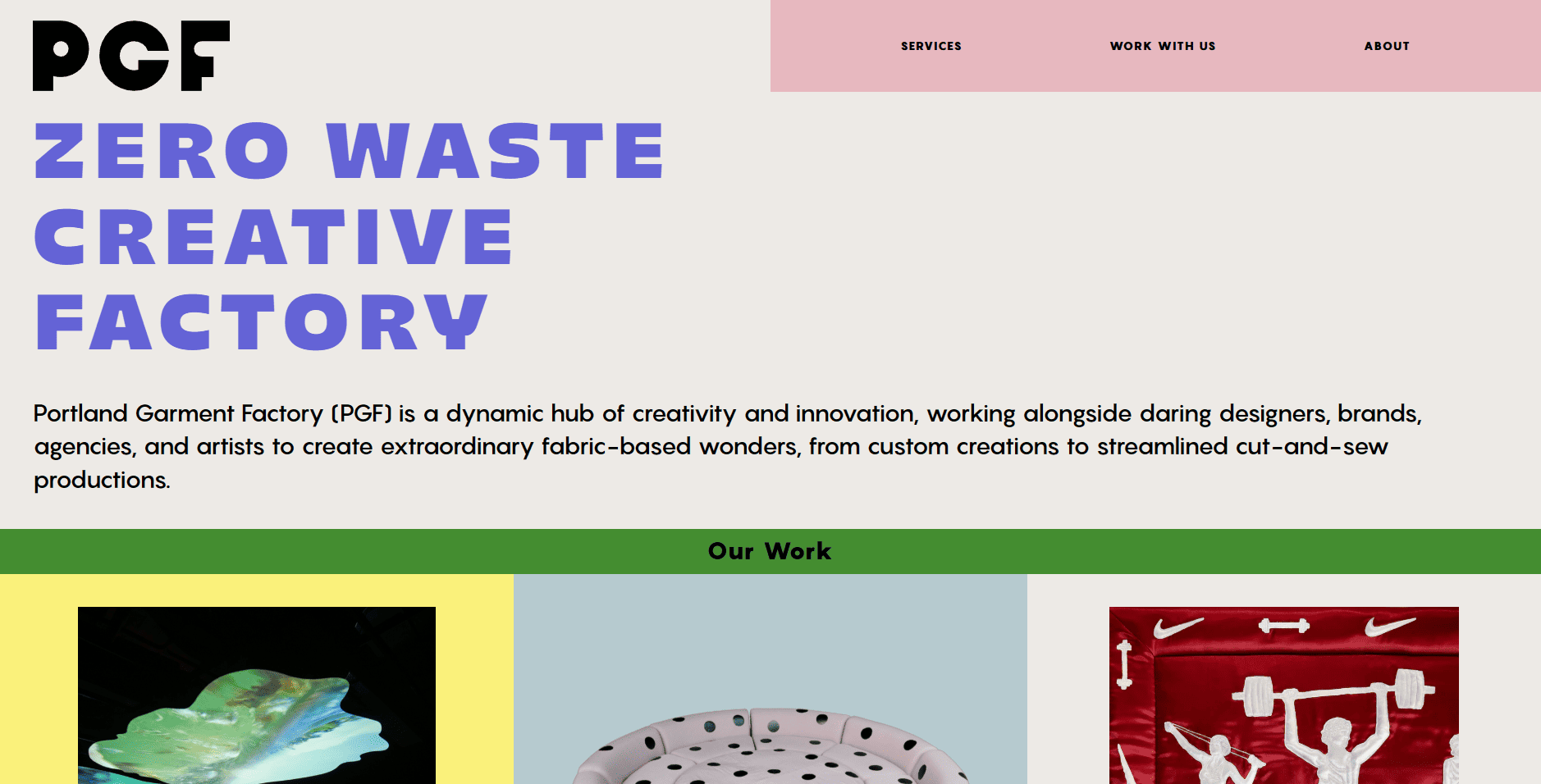
Portland Garment Factory is a woman-owned, certified B Corp studio in Portland, Oregon, built around a zero-waste manufacturing philosophy. The company has worked with major brands including Nike, Adidas, Levi’s, and New Balance, which speaks to the technical quality and reliability of their production process.
Their zero-waste commitment means fabric scraps left over from client production runs get repurposed into a blanks program rather than thrown away, which is a genuinely uncommon practice among cut and sew manufacturers of any size. Brands whose identity is built around genuine sustainability credentials, not just marketing language, tend to find a strong match here.
Limitations: The project-based, creative studio model means pricing and process are less standardized than at a typical straightforward cut and sew factory, which can make budgeting less predictable upfront.
12. Port City Apparel
Best For: Brands and organizations wanting strong embroidery and screen printing on private label apparel.
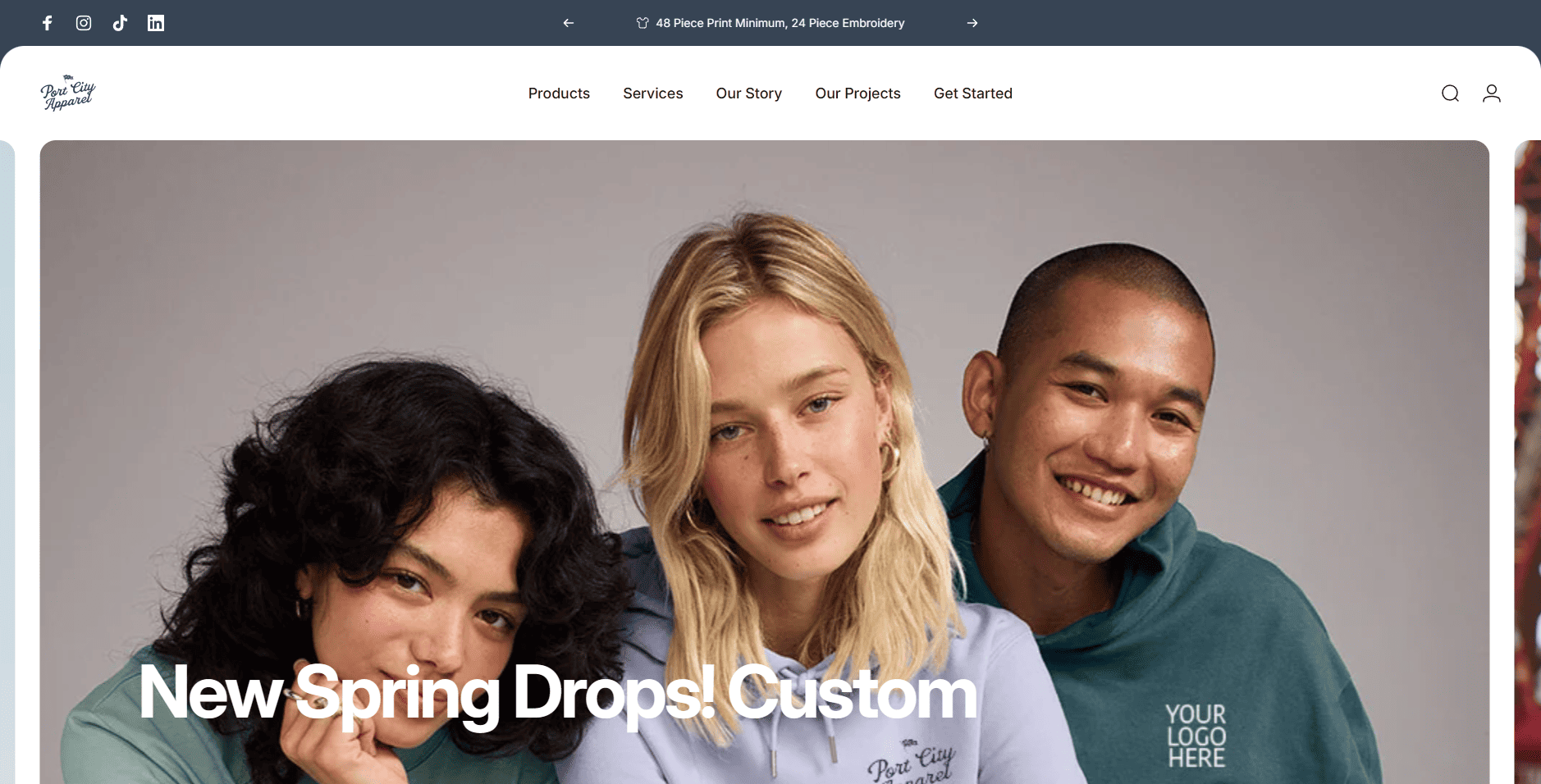
Port City Apparel is a premium custom apparel and promotional goods company based in Wilmington, North Carolina, offering embroidery, screen printing, patch creation, and private label services. Owners Jon and Michelle Carne bring more than three decades of combined experience in the apparel industry, and the company has grown into a business that serves everyone from Fortune 500 companies to local breweries and small business owners.
Their core strength is decoration work, meaning brands that lean heavily on embroidered logos, detailed patches, or multi-colour prints tend to get stronger results here than at general purpose cut and sew manufacturers. For brands whose product is built around strong branding and decoration, Port City Apparel is a solid regional option.
Limitations: The company’s core strength is decoration rather than complex garment construction, so brands needing detailed pattern work or structured garments may need a dedicated cut and sew partner alongside them.
13. Threadbird
Best For: Brands needing professional decoration, relabeling, and fulfillment support rather than ground-up garment development.
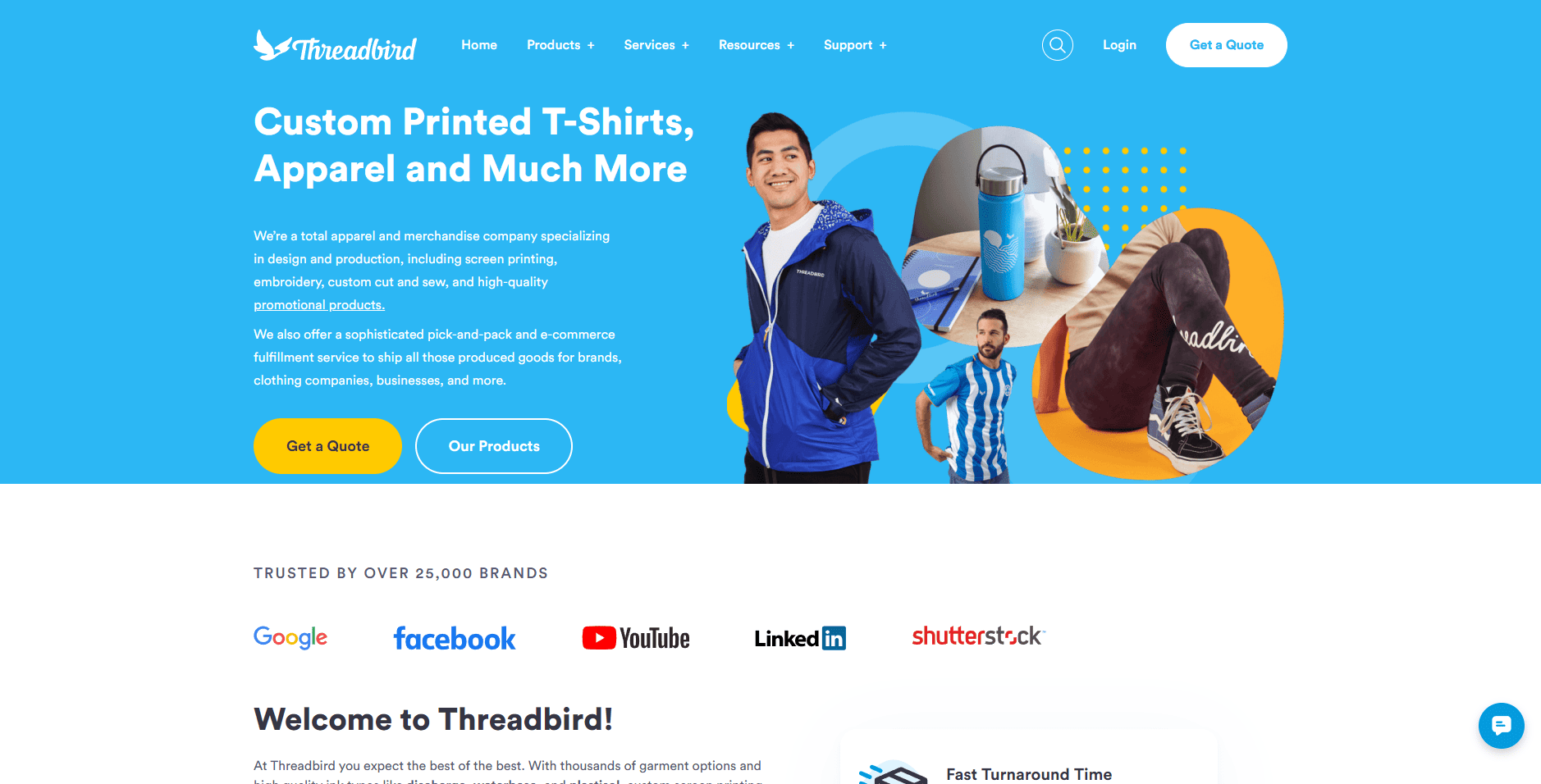
Threadbird is a custom apparel and merchandise company headquartered in Orlando, Florida, with additional operations in Nashville, Tennessee, specializing in screen printing, embroidery, heat-applied graphics, and order fulfillment. The company positions itself as a one-stop shop for brands and businesses that need retail-ready decoration along with services like relabeling, polybagging, tagging, and drop shipping, which matters a lot for brands trying to go straight from production to an online store without extra vendors.
Founded in 2008, the company has grown into a comprehensive apparel and merchandise operation serving clients well beyond just single small orders. This model suits brands that already have their product decided and mainly need reliable, professional decoration and logistics support rather than full private label garment development.
Limitations: Threadbird focuses on decoration and fulfillment rather than original garment construction, so brands needing custom patterns or fully bespoke silhouettes will need a separate cut and sew manufacturer.
14. Renovation Manufacturing
Best For: Very early stage brands wanting to test a handful of styles with an unusually low domestic minimum.
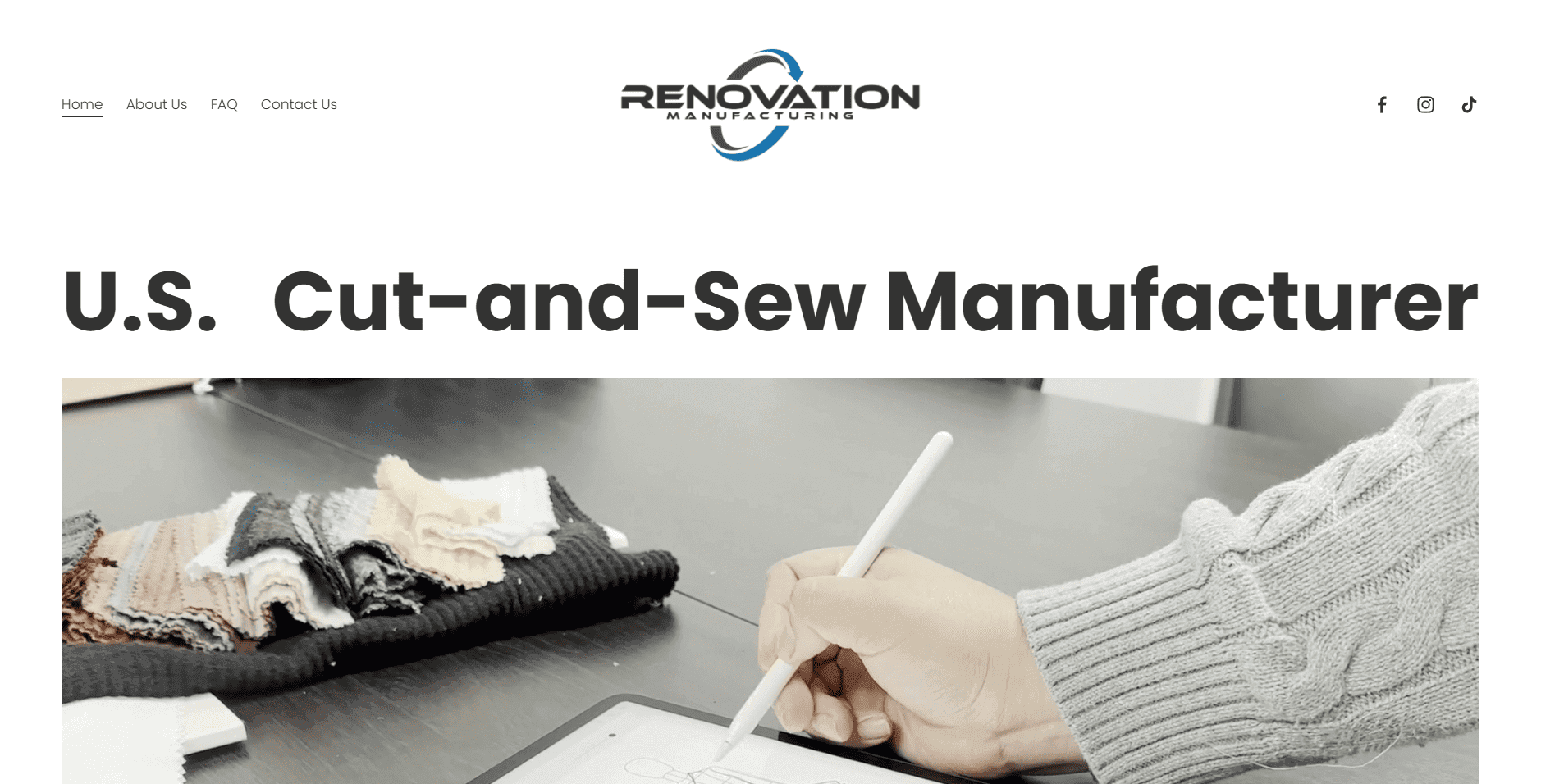
Renovation Manufacturing is a Houston, Texas based cut and sew apparel manufacturer founded in 2018, offering full-cycle production from prototype through bulk manufacturing in knits, wovens, activewear, and sportswear. The company positions itself specifically as a domestic private label clothing manufacturer for startups and emerging brands.
Their in-house team includes designers, pattern makers, fitting specialists, and sewing operators who manage the entire process under one roof in their Houston facility. This low entry point makes Renovation Manufacturing a realistic option for founders who want to test just a handful of styles before committing to a larger production run.
Limitations: As a smaller, appointment-based operation, capacity for very large or highly complex bulk orders is more limited than at bigger, higher volume factories.
15. RushOrderTees
Best For: Brands and organizations needing fast, dependable custom printing or embroidery on standard garments.
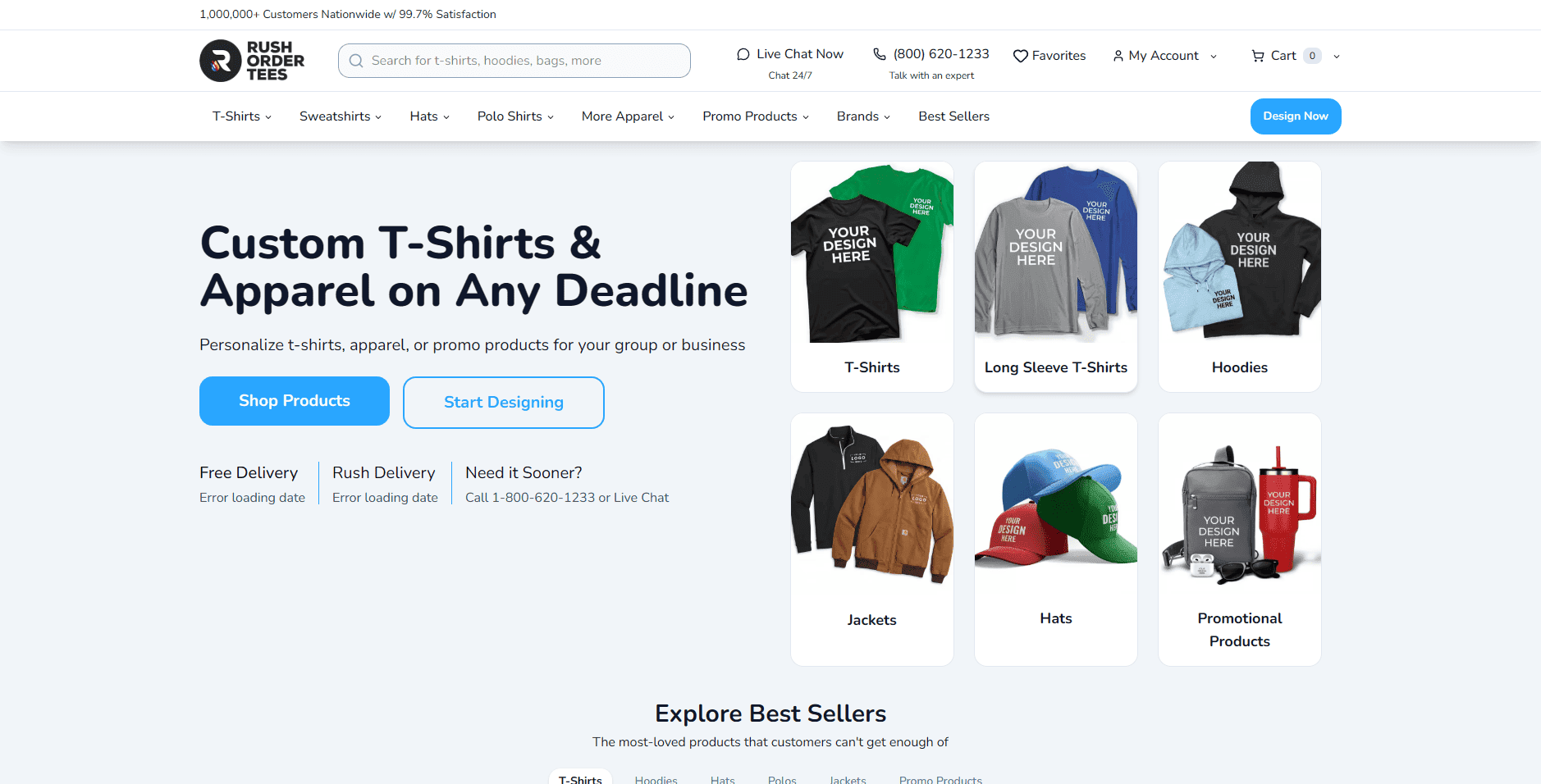
RushOrderTees is a technology-driven custom apparel company headquartered in Philadelphia, Pennsylvania, founded in 2002 and known for combining screen printing and embroidery services with a streamlined online ordering system. The company has grown into a sizable operation with roughly 250 employees, built around making the custom apparel ordering process fast and predictable.
This model suits brands, teams, and organizations that need reliable, repeatable orders on a tight timeline more than brands developing an entirely custom silhouette from scratch. Because the ordering process is largely self-service and technology driven, it can be a faster experience for founders who already know exactly what they want.
Limitations: The self-service, technology-driven model is built for decoration on existing blank garments rather than original private label garment development, so brands wanting custom silhouettes will need a dedicated cut and sew manufacturer instead.
The Process Private Label Clothing Manufacturers Carries Out
Creating a successful private label clothing line involves much more than producing garments. From brand customization to quality assurance, each step ensures your products reflect your unique identity and meet market expectations.
- Product Consultation & Brand Requirements
- Design & Tech Pack Development
- Fabric & Trim Sourcing
- Sample Development & Approval
- Private Label Branding
- Bulk Production
- Quality Inspection
- Packaging & Global Shipping
Regional Comparison: Manufacturing Across the USA
Factor | West Coast | East Coast | South | Midwest |
Price | Moderate to high | Moderate to high | Low to moderate | Moderate |
MOQ | Lower to moderate | Moderate | Moderate to high | Moderate to high |
Speed | Fast, close to fashion hubs | Fast, close to fashion hubs | Moderate | Moderate |
Strength | Streetwear, activewear | Fashion forward, streetwear | Basics, bulk production | Full package OEM |
Best For | Startups, fast sampling | Trend driven brands | Budget conscious brands | Established brands |
Typical Costs of Private Label Clothing Manufacturing
Costs vary a lot depending on the manufacturer, product type, and order size, but here is a general breakdown to help with budgeting.
- Samples: Usually range from 30 to 150 dollars per sample, depending on complexity. Most of the time, the sample price is up to 3 times the single product cost price. For instance, if you get a quotation of 10$ per shirt on an order of 1000 pieces, your sample will be around 30$, maybe more.
- MOQ Pricing: Per unit costs typically drop as order quantity increases, with bulk orders sometimes costing 30 to 50% less per piece than small runs.
- Branding: Custom labels, hang tags, and packaging usually add a small per-unit cost, often between 0.50 and 3 dollars per item depending on materials.
- Shipping: Domestic shipping within the USA is generally faster and more predictable than overseas shipping, though costs still vary by distance and order size, so always request a full shipping quote before committing.
Common Mistakes That Brands Should Look Out For
Many new brands run into avoidable problems when working with private label clothing manufacturers. Watch out for these mistakes.
- Choosing By Price Only: The cheapest option often comes with quality problems or communication issues later.
- Ignoring MOQ: Committing to a high MOQ before testing demand can leave you with unsold inventory.
- Skipping Samples: Going straight to bulk production without approving a sample is one of the most common and costly mistakes.
- No QC Inspection: Skipping quality control before shipping can result in receiving defective products in bulk.
- Poor Tech Packs: Vague or incomplete tech packs lead to samples that do not match what you actually wanted.
- Weak Communication: Not confirming details in writing often leads to misunderstandings that are expensive to fix later.
Is The Right Private Label Clothing Manufacturer At Your Service?
Probably not yet. Remember, your pick must be that specific private label clothing manufacturer that prioritises fulfilling your entire order requirements paired with your brand story. This one would automatically deliver quality products, meet production deadlines, and support your brand growth.
Your top private label clothing manufacturers USA come down to matching your budget, order size, and product needs. Some brands need the lowest possible MOQ as they have less capital and risk appetite. Others need bulk quotations at the best price, as they don’t have investment issues.
Based on the criteria in this guide, Innovate Apparel stands out as the best overall choice, especially for startups and growing brands that need a manufacturer who can support them.
Whatever stage your brand is at, take time to reach out to us 👉 Innovate Apparel Contact.
We have all the SHOULDS the best private label clothing manufacturer must have.