
How to Start a T-Shirt Business in 2026: A Simple Step-by-Step Guide
Starting a t-shirt business in 2026 is still one of the lowest-risk ways to enter e-commerce. With print-on-demand, online storefronts, and social media marketing, you can launch a real brand without massive upfront costs.
The global t-shirt market is expected to cross $30 billion by 2027, and new brands are still winning – but only when they do the basics right.
This guide by Innovate Apparel walks you through exactly how to start a t-shirt business, from choosing a niche to making your first sale.
Quick Start Overview
If you want the short version, here’s the roadmap:
- Pick a specific niche (don’t sell to everyone)
- Choose a low-risk business model
- Create 2 – 5 simple, validated designs
- Use a reliable manufacturer or print partner
- Launch a clean online store
- Market consistently on the right platforms
You can build a legitimate t-shirt business in 30 – 60 days if you stay focused.
Understanding Your T-Shirt Business Model
Before diving into designs and suppliers, you need to choose how you’ll run your t-shirt business. Your business model affects everything from startup costs to daily operations.
- Print-on-demand means a third-party company prints and ships each shirt after a customer orders. You pay nothing upfront, but profit margins are smaller since you pay per shirt. This works well if you’re testing ideas or starting with limited money.
- Bulk manufacturing involves ordering shirts in larger quantities from manufacturers. You pay more upfront but earn higher profits per sale. This approach suits entrepreneurs ready to invest and store inventory. Companies offering this service include professional custom t-shirt manufacturers in USA who can produce quality garments at scale.
- Screen printing locally gives you complete control over production. You buy blank shirts, printing equipment, and handle everything yourself. The startup cost is higher, but you maximize profits and can fulfill orders faster.
Choose based on your budget, time, and how much control you want. Many successful t-shirt business owners start with print-on-demand, then switch to bulk orders as sales grow.
Step-by-Step Guide to Start a T-Shirt Business in 2026:

Step 1: Choose the Right T-Shirt Business Model
Before you design anything, decide how your shirts will be made and shipped. This choice affects cost, profit, and daily workload.
1. Print-on-Demand (Best for Beginners)
How it works: A third-party prints and ships each order after a customer buys.
Pros
- No upfront inventory
- Very low startup cost
- Easy to run part-time
Cons
- Lower profit margins
- Less control over packaging and speed
Best for testing ideas and first-time founders.
2. Bulk Manufacturing
You order shirts in larger quantities from a manufacturer.
Pros
- Higher profit per shirt
- Better quality control
- Branding flexibility
Cons
- Upfront investment
- Requires storage and fulfillment
Many brands work with professional custom t-shirt manufacturers in the USA to balance quality and delivery speed.
3. In-House Screen Printing
You handle printing yourself.
Pros
- Maximum control
- Highest margins at scale
- Fast turnaround
Cons
- High startup cost
- Requires skills and space
Expert Tip: Most successful brands start with print-on-demand and move to bulk manufacturing once designs prove they sell.
Step 2: Find a Profitable (and Specific) Niche
Trying to sell generic t-shirts is the fastest way to fail.
A niche is:
- A specific group of people
- With a shared interest, identity, or problem
- Willing to buy shirts that represent that
Examples of strong niches:
- Fitness enthusiasts with motivational designs
- Dog owners (breed-specific works very well)
- Eco-conscious buyers
- Tradespeople or professionals
- Hobby communities
How to validate your niche:
- Check similar products on Etsy and Amazon
- Read competitor reviews (look for complaints)
- Search Facebook groups and Reddit communities
- Look for buying intent, not just interest
Beginner Mistake: Choosing a niche you like but nobody buys from.

Step 3: Build a Clear Brand Identity
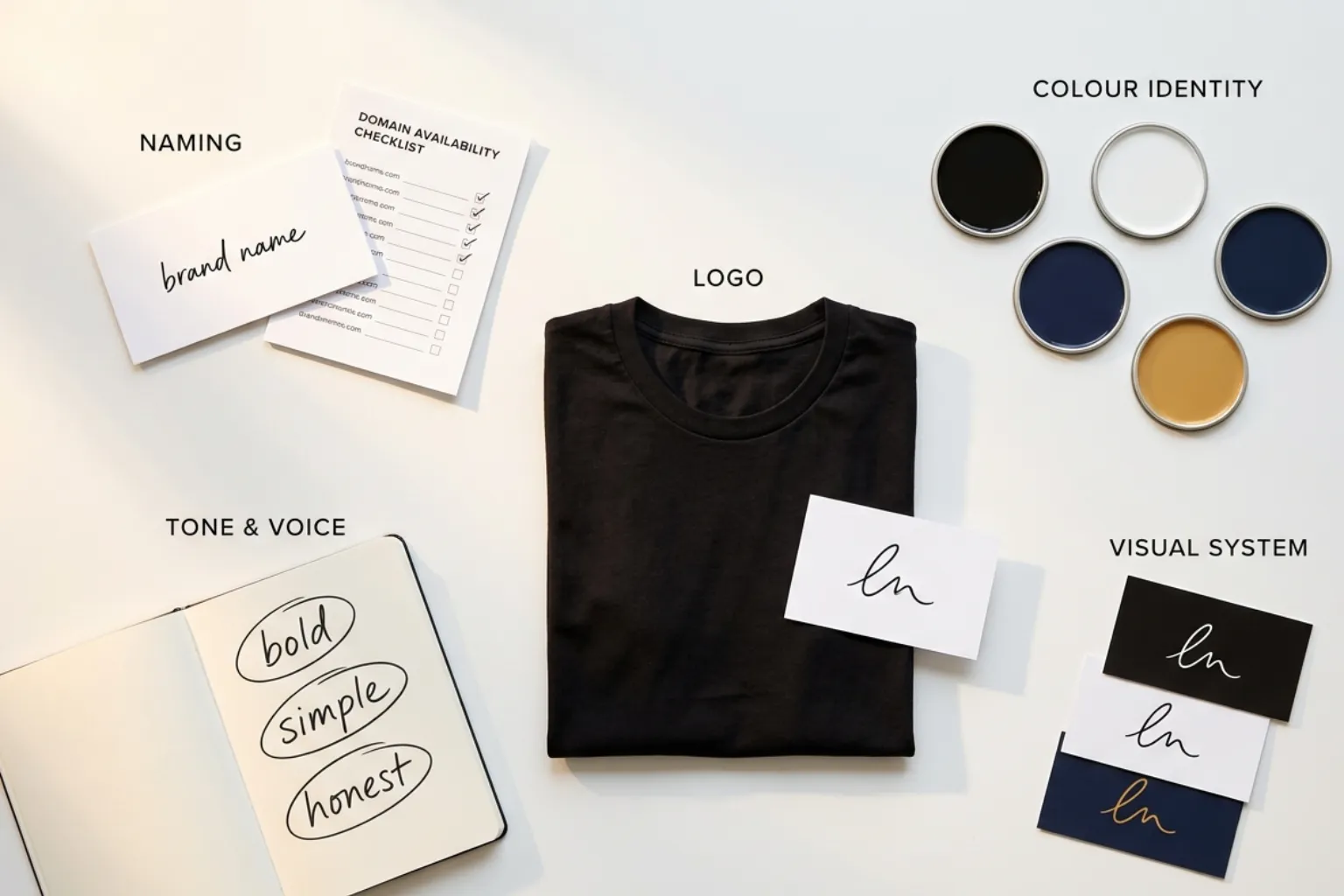
Your brand is more than a logo – it’s how people remember you.
Brand essentials:
- A simple, memorable name
- Clear target customer
- Consistent tone and visual style
Business name tips:
- Easy to spell and pronounce
- Relevant to your niche
- Domain name available
- Not trademarked
Logo & visuals:
- Keep it clean and flexible
- Works in black, white, and color
- Canva is fine to start; Fiverr works for upgrades
Step 4: Create T-Shirt Designs That Actually Sell
You don’t need to be a designer – you need to understand your customer.
What sells best:
- Simple concepts
- Clear messages
- Emotional connection
- Wearable designs (not poster art)
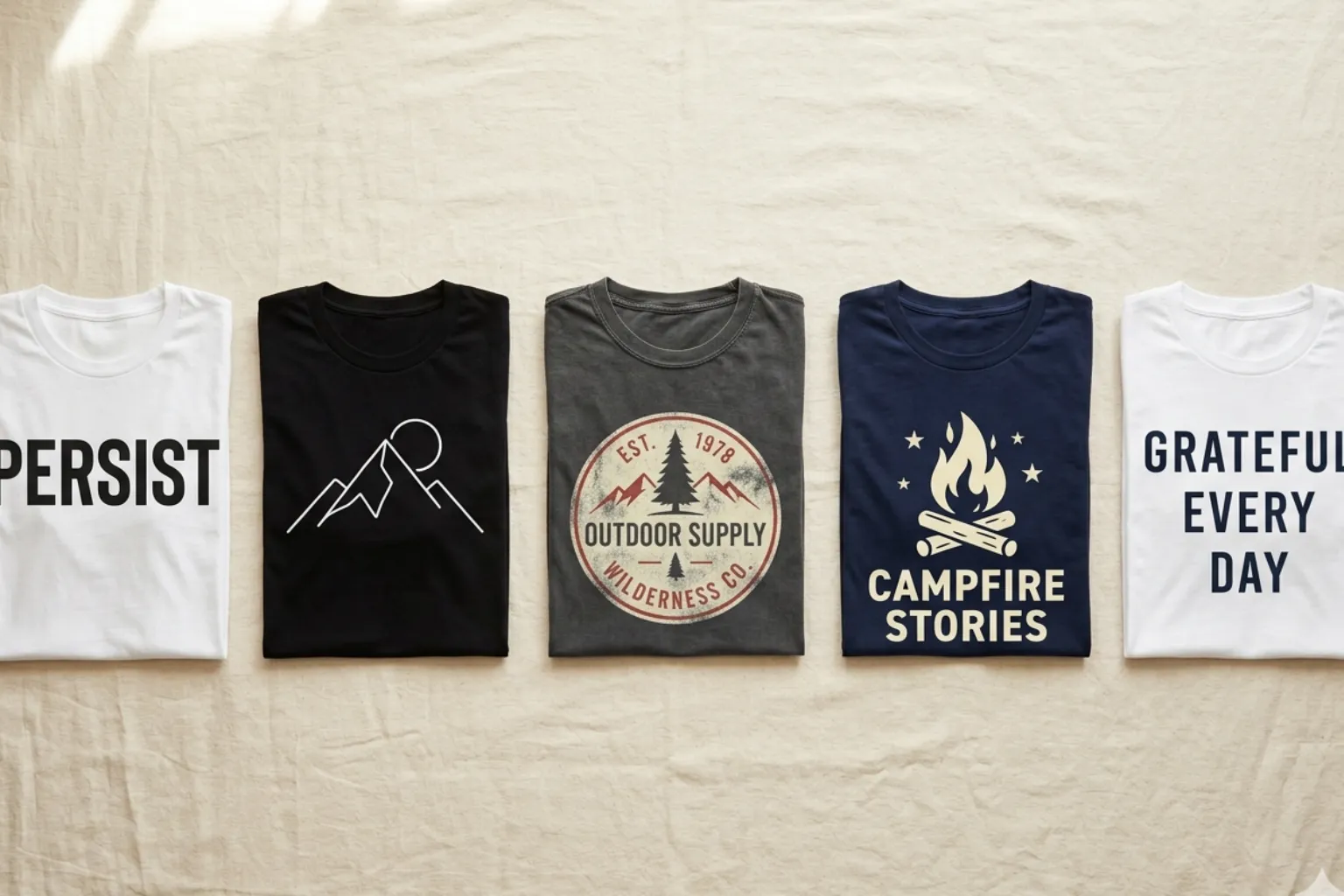
Popular design styles:
- Text-based humor or motivation
- Minimalist graphics
- Vintage or retro looks
- Bold niche statements
Design options:
- DIY with Canva or GIMP
- Hire designers on Upwork or 99designs
- Buy licensed designs from Creative Market
Reality Check: Simple designs outperform complex artwork far more often.
Always confirm your designs:
- Don’t use copyrighted characters or slogans
- Avoid logos, brands, or famous phrases
Step 5: Choose Fabric Quality & Price Correctly
Shirt quality directly affects reviews and repeat customers.
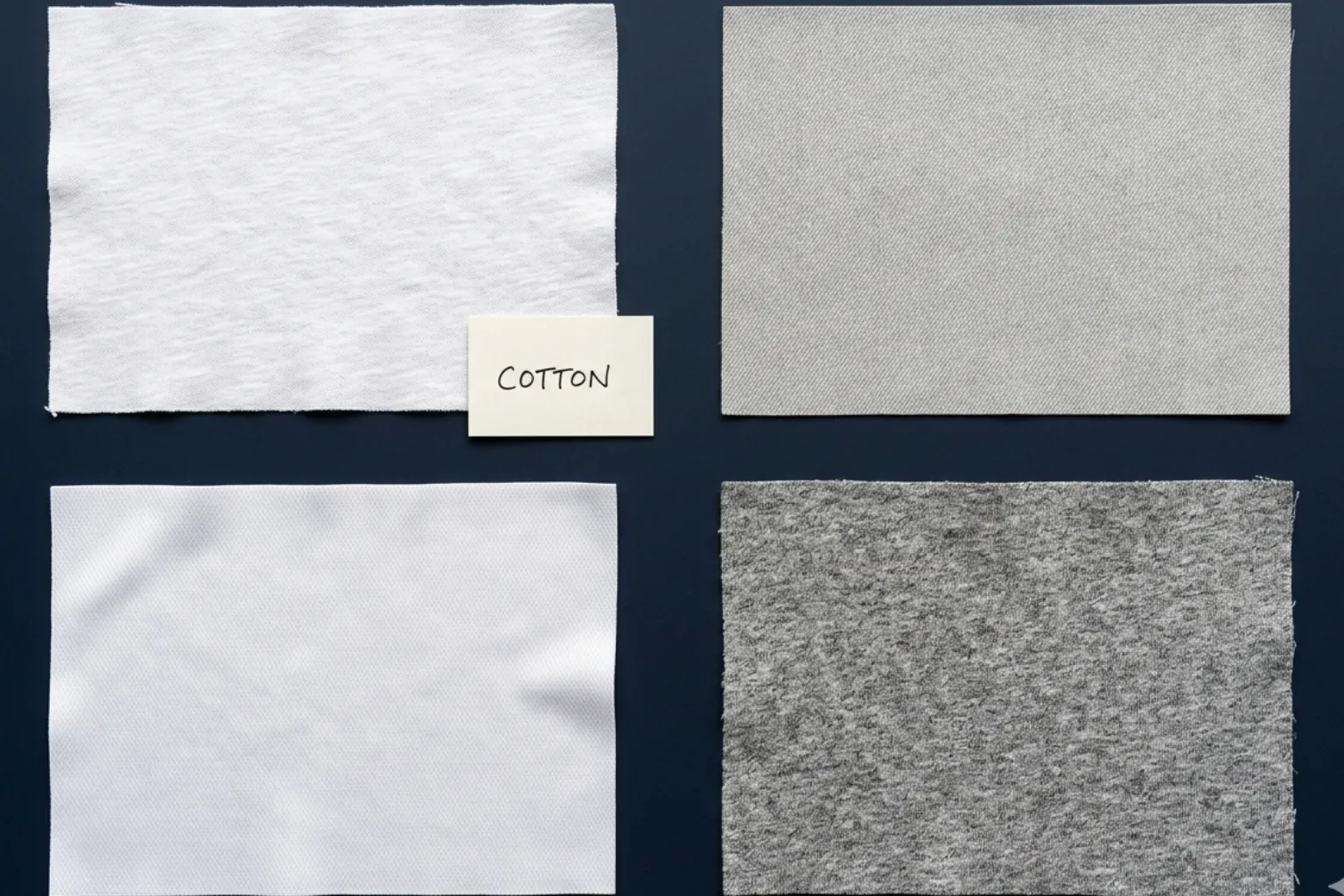
Common fabric options:
- 100% Cotton: Soft, breathable, affordable
- Cotton Blends: Durable, shrink-resistant
- Polyester: Great for athletic wear
- Tri-Blend: Premium feel, higher price point
Match fabric to your audience:
- Students → affordable blends
- Professionals → premium materials
Pricing formula:
- Total cost per shirt × 4 – 5 (direct-to-consumer)
Example:
- Cost: $8
- Retail price: $32 – 40
Most successful brands price between $25 – 45.
Step 6: Find a Reliable Manufacturer
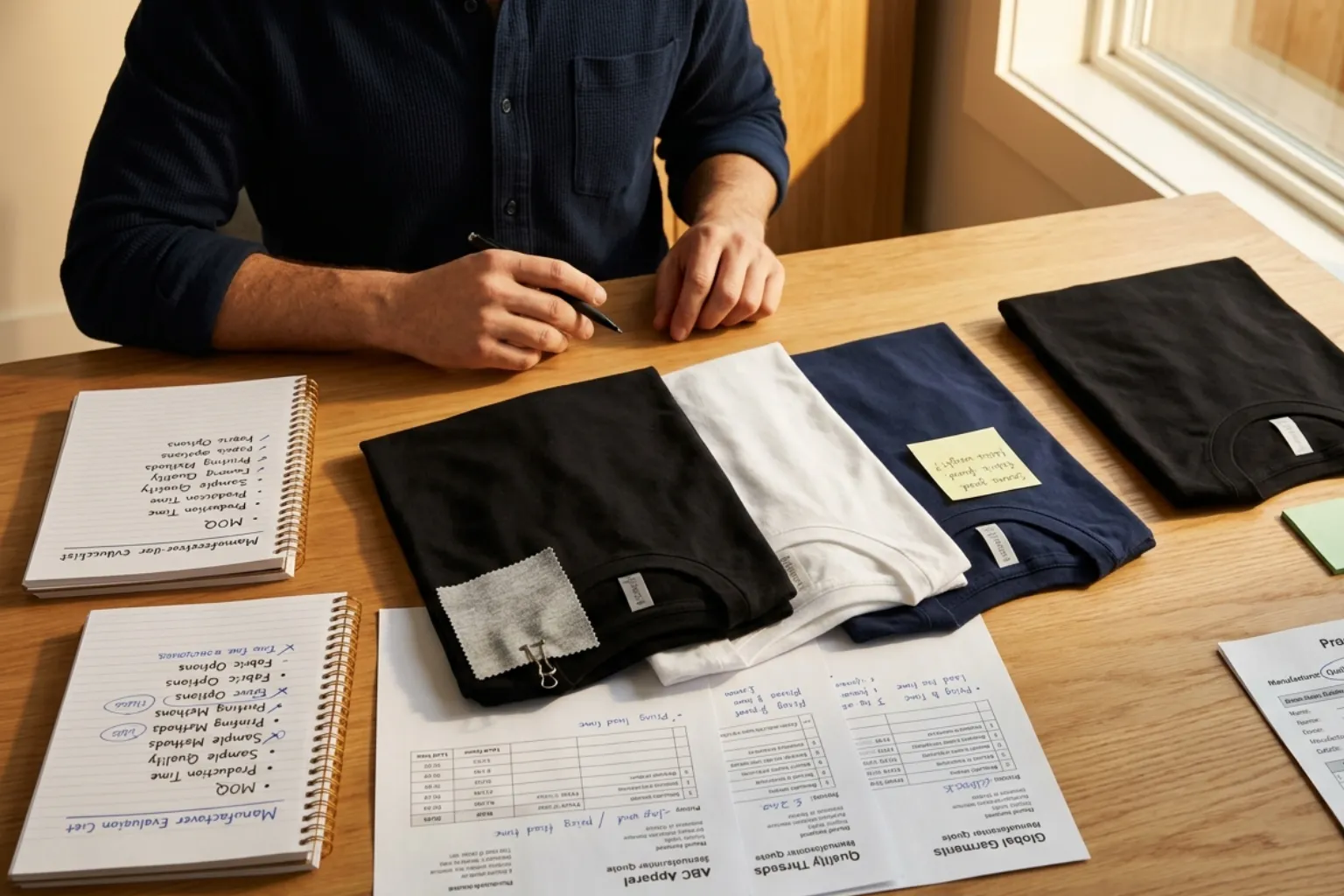
Your manufacturer can make or break your business.
What to ask manufacturers:
- Minimum order quantity
- Production time
- Sample availability
- Printing methods
- Fabric options
Domestic manufacturers offer faster delivery and easier communication. If you’re scaling, explore vetted options like those in our Top Custom T-Shirt Manufacturers in the USA guide.
Printing methods explained:
- Screen Printing: Best for bulk orders
- DTG: Ideal for detailed, small batches
- Heat Transfer/Vinyl: Simple designs only
Always order samples before committing.
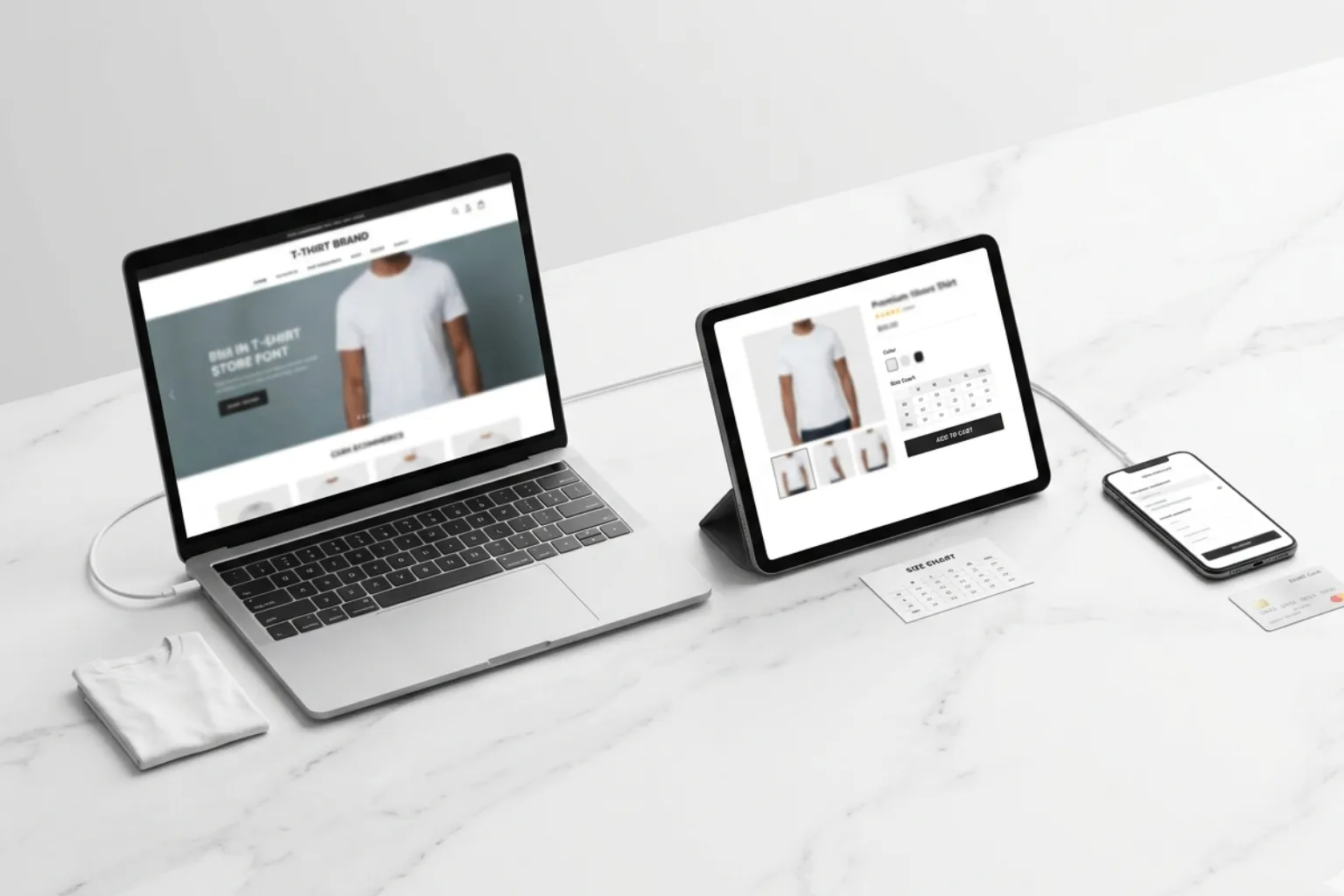
Step 7: Set Up Your Online Store
Your website is your salesperson.
Best platforms:
- Shopify: Beginner-friendly, scalable
- WooCommerce: Full control, more setup
- Squarespace: Beautiful design, simple setup
Must-have product pages:
- Multiple product photos
- Lifestyle images (people wearing shirts)
- Clear size charts
- Benefit-focused descriptions
- Shipping & return info
Make checkout fast and simple:
- Guest checkout
- Multiple payment options
- Mobile-optimized
Step 8: Market Your T-Shirt Brand
No traffic = no sales.
Best marketing channels:
- Instagram: Visual storytelling
- Facebook Ads: Targeted reach
- Micro-Influencers: High trust, low cost
- Email Marketing: Highest ROI
Content ideas:
- Behind-the-scenes
- Design stories
- Customer photos
- Niche-related tips
Pro Insight: User-generated content converts better than ads.

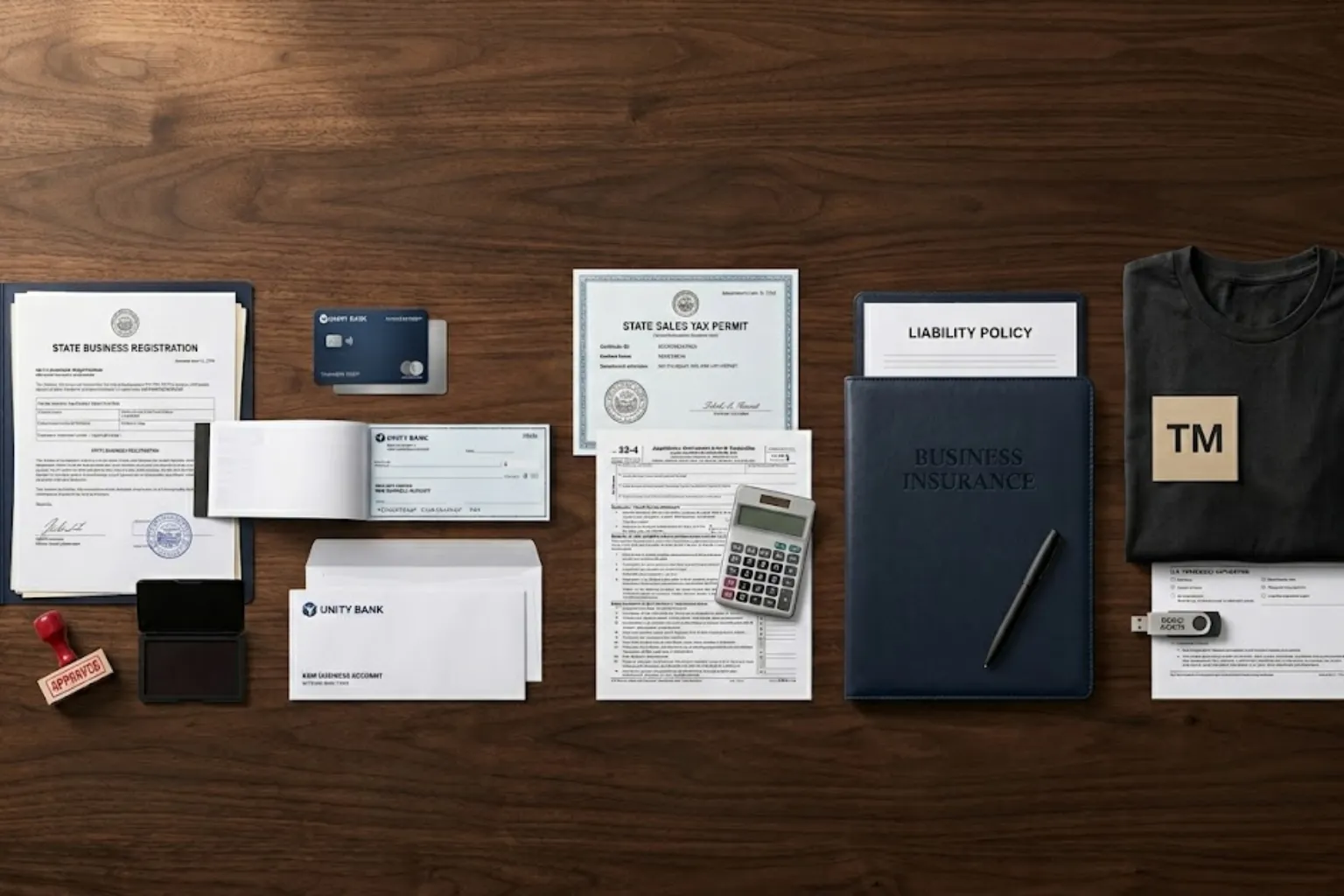
Step 9: Legal Setup & Protection
Don’t skip this.
- Register your business
- Get an EIN
- Open a business bank account
- Apply for sales tax permits
- Consider liability insurance
Once established, trademark your brand name and logo.
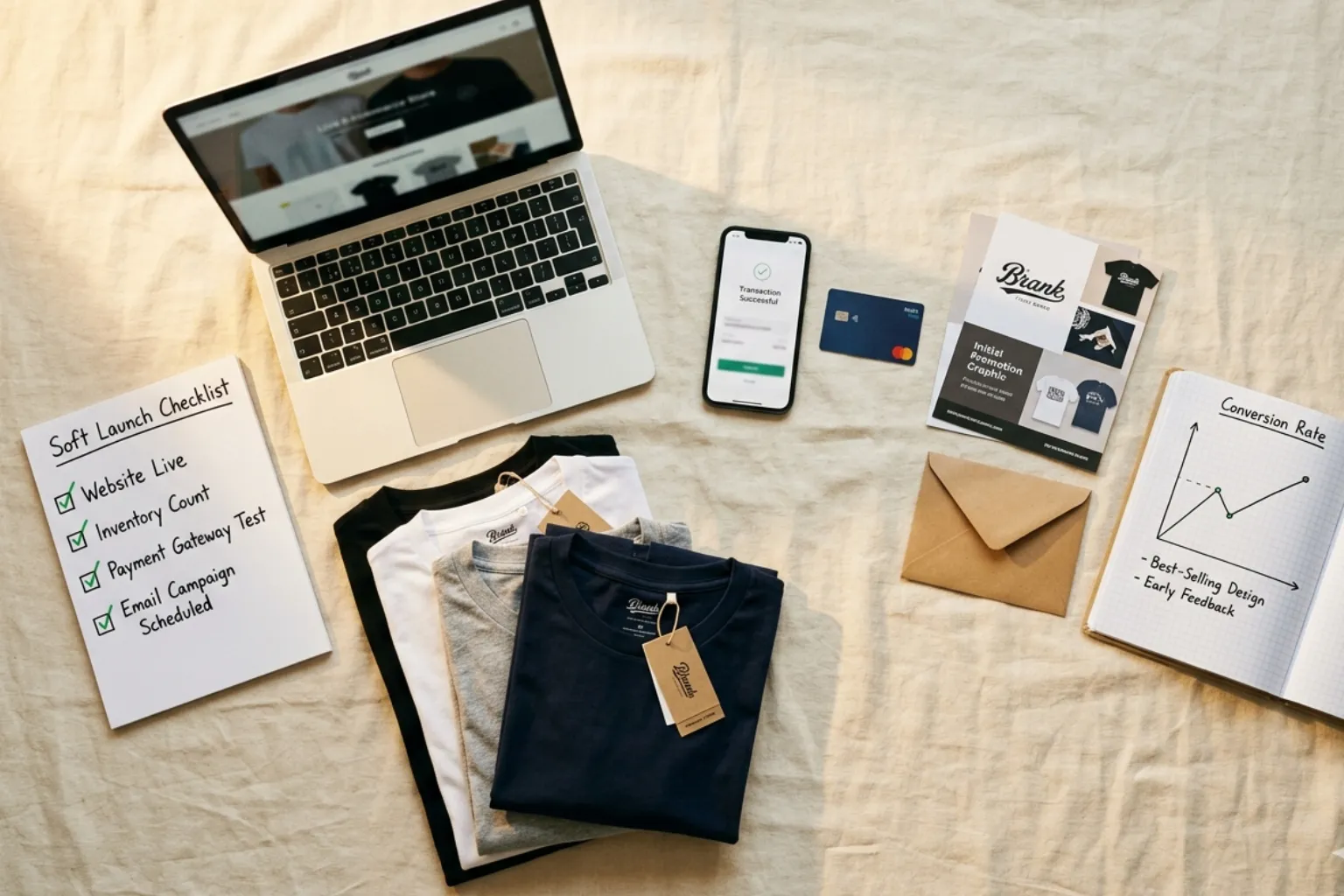
Step 10: Launch, Learn, and Scale
Launch before everything feels perfect.
Soft launch checklist:
- Website tested
- Samples approved
- Payment systems live
- First promotion ready
Track:
- Conversion rate
- Best-selling designs
- Customer feedback
Scale what works. Kill what doesn’t.
Is Starting a T-Shirt Business Worth It in 2026?
Starting a t-shirt business in 2026 is absolutely worth it if you approach it strategically. The brands that succeed are not the ones with the most designs, but the ones that understand their audience, control quality, and stay consistent with marketing.
You don’t need a massive budget, a warehouse, or years of experience. What you do need is focus, patience, and the willingness to test, learn, and improve. Start small, validate your designs, and scale only what proves profitable.
Most importantly, don’t wait for everything to feel perfect. Launch, collect feedback, and refine your business as you grow.
Why Innovate Apparel Is Trusted by Growing T-Shirt Brands
At Innovate Apparel, we work closely with entrepreneurs and established brands to help them build high-quality, scalable t-shirt businesses. Our experience across multiple niches allows us to guide founders through manufacturing, fabric selection, printing methods, and quality control.
Brands choose Innovate Apparel because we offer:
- USA-based manufacturing
- Low minimum order quantities for growing brands
- Premium fabric and printing options
- Reliable turnaround times
- Dedicated support from sampling to production
Frequently Asked Questions About Starting a T-Shirt Business
How much does it cost to start a t-shirt business?
Starting a t-shirt business can cost anywhere from $100 to $2,000, depending on your business model. Print-on-demand requires minimal upfront investment, while bulk manufacturing involves higher initial costs but better margins.
Is starting a t-shirt business still profitable in 2026?
Yes. The t-shirt market continues to grow, and niche-focused brands are still highly profitable. Success depends on choosing the right audience, pricing correctly, and maintaining product quality.
Do I need an LLC to start a t-shirt business?
You can start without an LLC, but forming one is recommended as you grow. An LLC provides legal protection, improves credibility, and makes it easier to manage taxes and finances.
Can I start a t-shirt business from home?
Absolutely. Many successful t-shirt business start-ups begin from home using print-on-demand or outsourced manufacturing, eliminating the need for storage or physical storefronts.
How long does it take to make your first sale?
Some founders make their first sale within days, while others take a few weeks. Results depend on marketing effort, niche demand, and how well your designs resonate with your audience.
Should I use print-on-demand or a t-shirt manufacturing company?
Print-on-demand is ideal for beginners testing ideas. Once sales are consistent, working with a professional t-shirt manufacturing company allows for higher margins, better quality, and stronger branding.
Ready to Start Your Custom T-Shirt Business?
If you’re ready to start a tshirt company, success begins with building the right foundation. A sustainable t-shirt business is about creating a brand that lasts by focusing on product quality, consistent branding, and smart partnerships.
Choosing the right t-shirt manufacturer in the USA plays a major role in that journey.
Your first step is simple: take action. Start small, stay focused, and keep improving. The rest becomes clearer as you move forward.