Types of Sweaters: Your Complete Guide to Every Style and How to Choose
As of January 2026, when someone asks “what are the different types of sweaters,” they’re looking for clear categories based on warmth, neckline, closure style, and knit pattern. The main types of sweaters include crew necks, V-necks, turtlenecks, cardigans, cable knits, and Fair Isle patterns. Each serves different purposes; crew necks work for casual everyday wear, V-necks suit professional settings, cardigans offer versatile layering, and specialty knits like cable or Fair Isle add texture and warmth.
Most people grab whatever sweater is clean. The same goes with you and I, doesn’t it?
Once you know which types of sweaters work where, picking one becomes easy. After 3+ years of helping customers decide the best types of sweaters for their needs at Innovate Apparel, we’ve learned that most people own the wrong types of sweaters. They buy what looks good on mannequins instead of what works for their actual life. This types of sweaters guide fixes that by matching sweater types to real situations you face daily.
What Makes Each Sweater Type Different
Sweaters differ in three key ways: how they’re constructed, what neckline they feature, and whether they open in front. A pullover slips over your head with no front opening. A cardigan buttons or zips up the front for easy removal. The neckline changes both warmth level and formality – turtlenecks provide maximum coverage while V-necks create a dressier look.
Material choice affects everything. Wool provides natural insulation and moisture-wicking. Cotton breathes well for milder weather. Cashmere offers luxury softness at a higher price point. Synthetic blends combine benefits while keeping costs reasonable.
Here’s something most people miss when going through different types of sweaters: the knitting technique matters as much as the material. Hand-knit sweaters show slight variations that add character and typically last longer because skilled crafters reinforce stress points. Machine-knit versions produce uniform patterns with consistent sizing but may skimp on reinforcement. Dense knits trap more heat. Looser weaves allow airflow for transitional seasons.
Quick Overview
Sweater Types:
Sweater Type | Best For | Formality Level | Season | Key Feature |
Crew Neck | Everyday casual wear | Casual to Smart Casual | Year-round | Round neckline at base of neck |
V-Neck | Professional settings | Business Casual to Semi-Formal | Year-round | V-shaped neckline, elongates neck |
Turtleneck | Cold weather, layering | Smart Casual to Formal | Fall/Winter | High folded collar, maximum warmth |
Cardigan (Button) | Layering, office wear | Casual to Business Casual | Year-round | Front button closure, easy on/off |
Cardigan (Zip) | Active casual wear | Casual | Fall/Winter/Spring | Front zipper, sporty style |
Cable Knit | Casual winter outings | Casual | Fall/Winter | Raised braided patterns, extra warmth |
Fair Isle | Casual, holiday events | Casual | Fall/Winter | Colorful geometric patterns |
Henley | Casual weekends | Casual | Year-round | 2-5 button placket at neck |
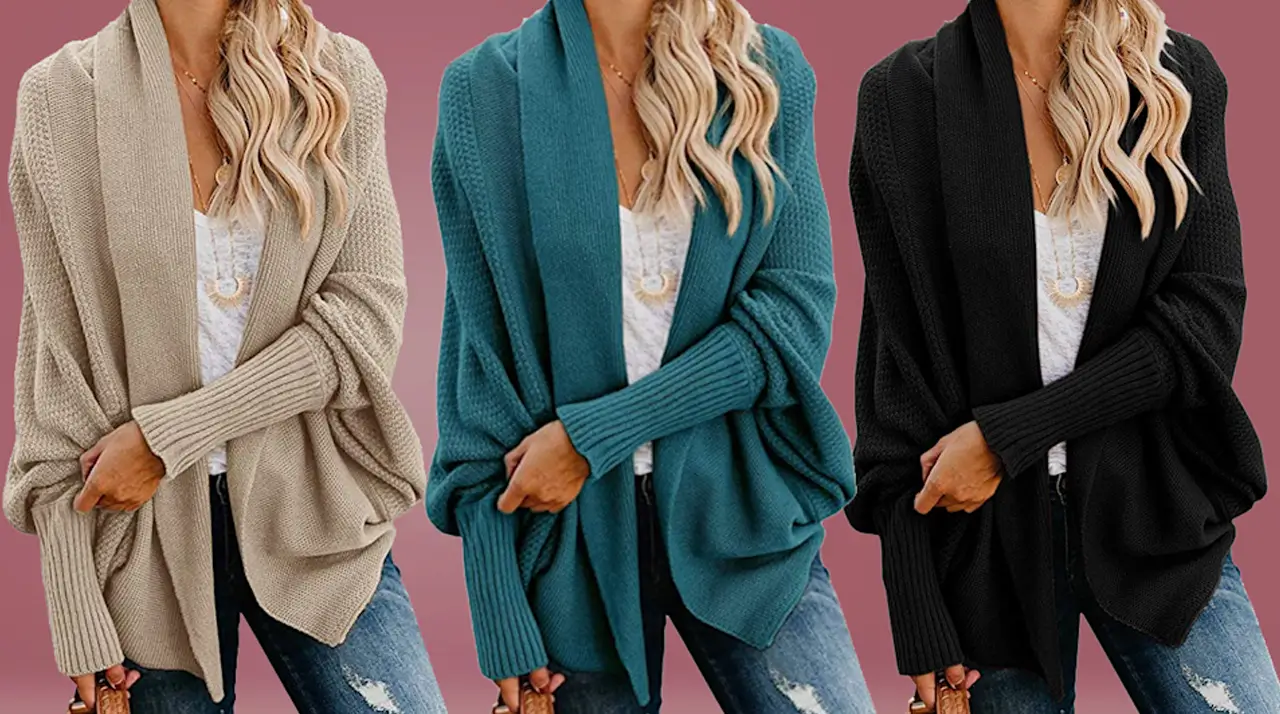
Shawl Collar | Relaxed home wear | Casual | Fall/Winter | Wide draped collar |
Sweater Vest | Preppy, layered looks | Business Casual | Year-round | Sleeveless, worn over shirts |
Argyle | Golf, business casual | Business Casual | Year-round | Diamond pattern design |
Hoodie | Athletic, casual | Very Casual | Fall/Winter/Spring | Hood with drawstrings, zipper |
Mock Neck | Modern casual | Casual to Smart Casual | Fall/Winter/Spring | Short standing collar (1-2 inches) |
Cowl Neck | Casual, feminine style | Casual | Fall/Winter | Loose draped neckline |
Fisherman | Rugged outdoor wear | Casual | Fall/Winter | Heavy textured knit, durable |
Sweater Fabric:
Material | Warmth | Price Range | Care Level | Best Use |
Merino Wool | High | -$ | Moderate | All-purpose, temperature regulating |
Cashmere | Very High | $$$$ | High (hand wash) | Luxury, special occasions |
Cotton | Medium | $ | Easy (machine wash) | Mild weather, layering |
Acrylic | Medium | $ | Easy (machine wash) | Budget-friendly alternative |
Wool Blend | High | $$ | Moderate | Balanced performance and price |
Key Types of Sweaters
Crew Neck Sweaters: The Everyday Essential
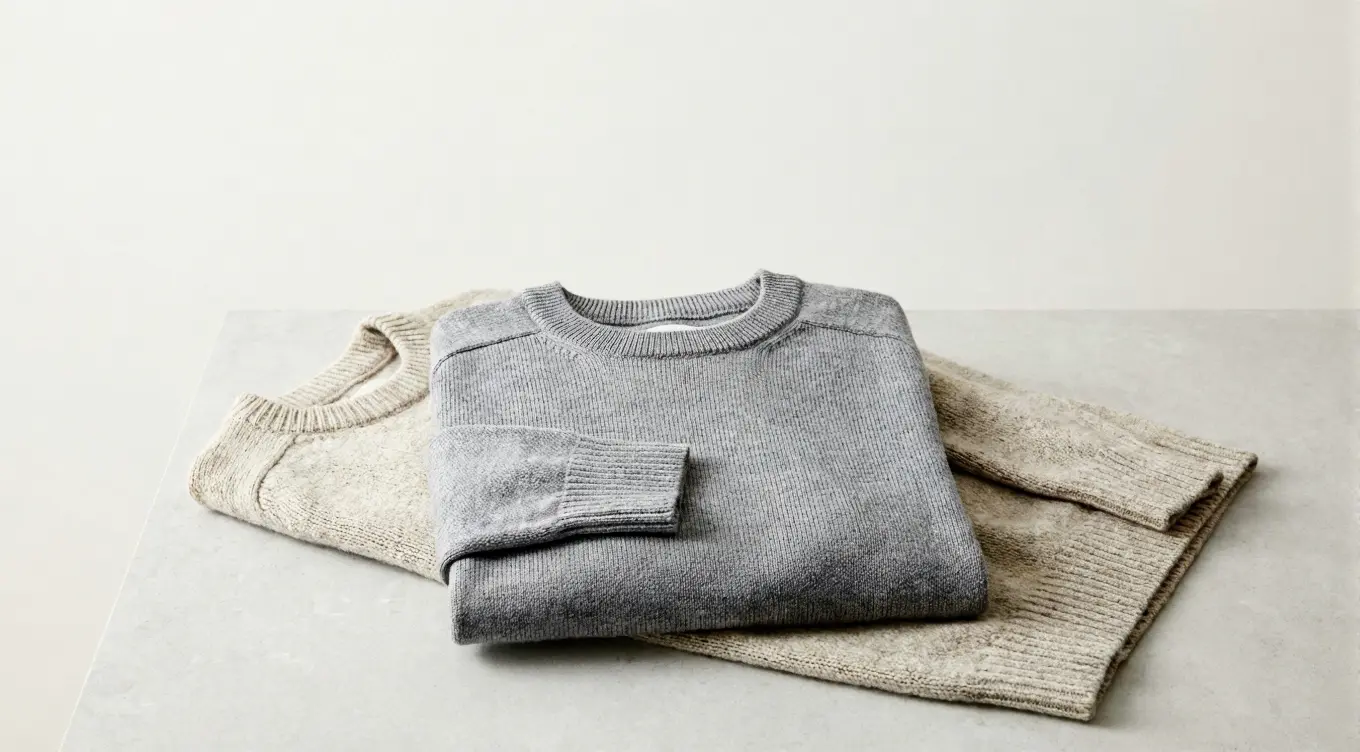
The crew neck sits at the base of your neck in a simple round shape. This classic design works for almost any occasion and body type. You’ll see crew necks everywhere because they’re genuinely the most versatile sweater style available.
Wear crew necks alone for a clean, casual look. Layer them over collared shirts for preppy style. They pair easily with jeans for weekends or chinos for casual Fridays at work. The round neckline frames your face without adding bulk around your throat.
That’s why I wear crew necks in July (lightweight cotton) and December (chunky wool), same style, different weights. This flexibility makes them workhorses in any wardrobe. Stock your closet with crew necks in neutral colors like navy, gray, and black. These work as foundation pieces that match everything.
For quality crew necks that last, look for tight, even stitching at the seams. The ribbing at the neck, cuffs, and hem should feel firm and elastic, not loose or stretched. At Innovate Apparel, our crew neck sweaters use reinforced seams that maintain shape even after years of wear. We’ve had customers return after five years just to buy the same style again because their original finally wore out.
V-Neck Sweaters: Professional and Polished
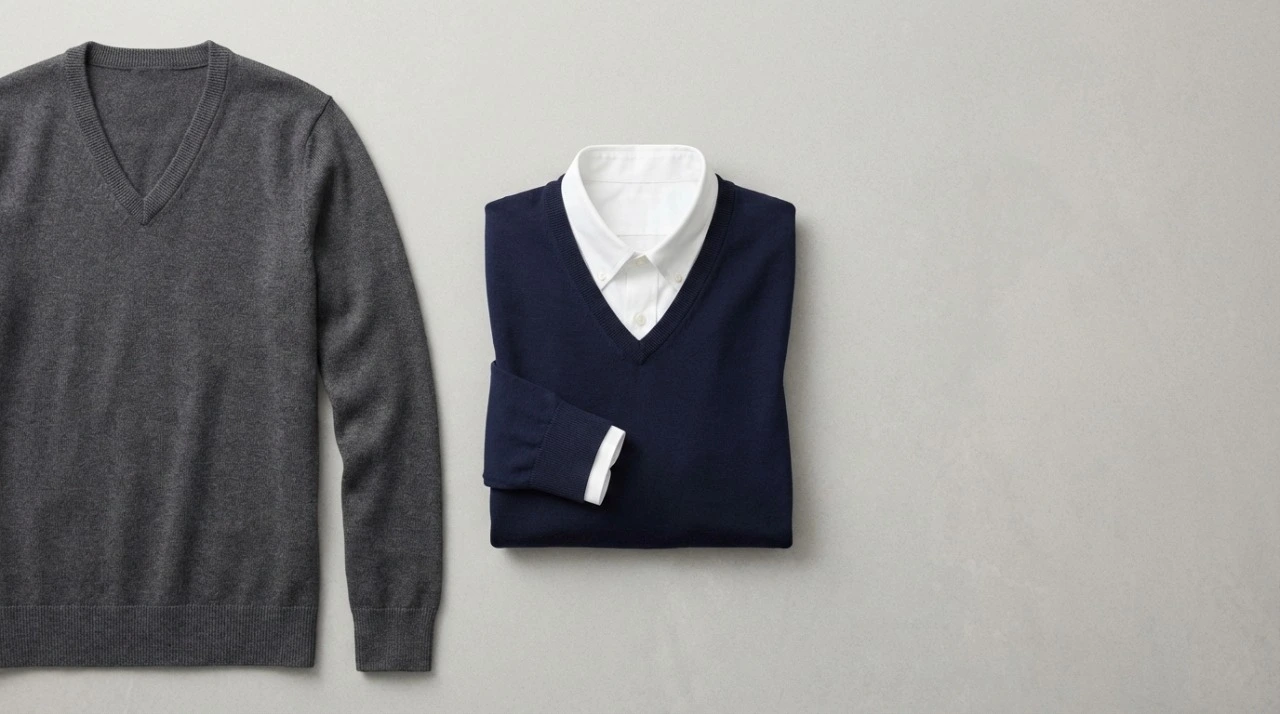
V-neck sweaters create a V-shaped opening that elongates your neckline. This works especially well if you have a shorter neck or want to look taller. The V draws eyes downward in a flattering vertical line.
Many people choose V-necks for business casual settings. The neckline showcases dress shirt collars and ties without covering them. You can also wear V-necks alone for a modern, minimalist appearance. They look more intentional and dressed-up compared to crew necks.
The depth of the V matters more than most people realize. Shallow V-necks dip just an inch below the crew neck position. These work well for conservative offices. Deeper V-necks extend several inches down your chest. Save these for casual settings or when layering over shirts.
V-necks in fine-gauge knits look professional under blazers. Heavier versions work for smart-casual occasions. Choose merino wool or cotton blends that drape smoothly without bunching. Quality V-necks from Innovate Apparel feature carefully shaped necklines that hold their form and never stretch out. We reinforce the neckline with an extra row of stitching that most brands skip to save costs.
Turtleneck Sweaters: Maximum Warmth and Coverage
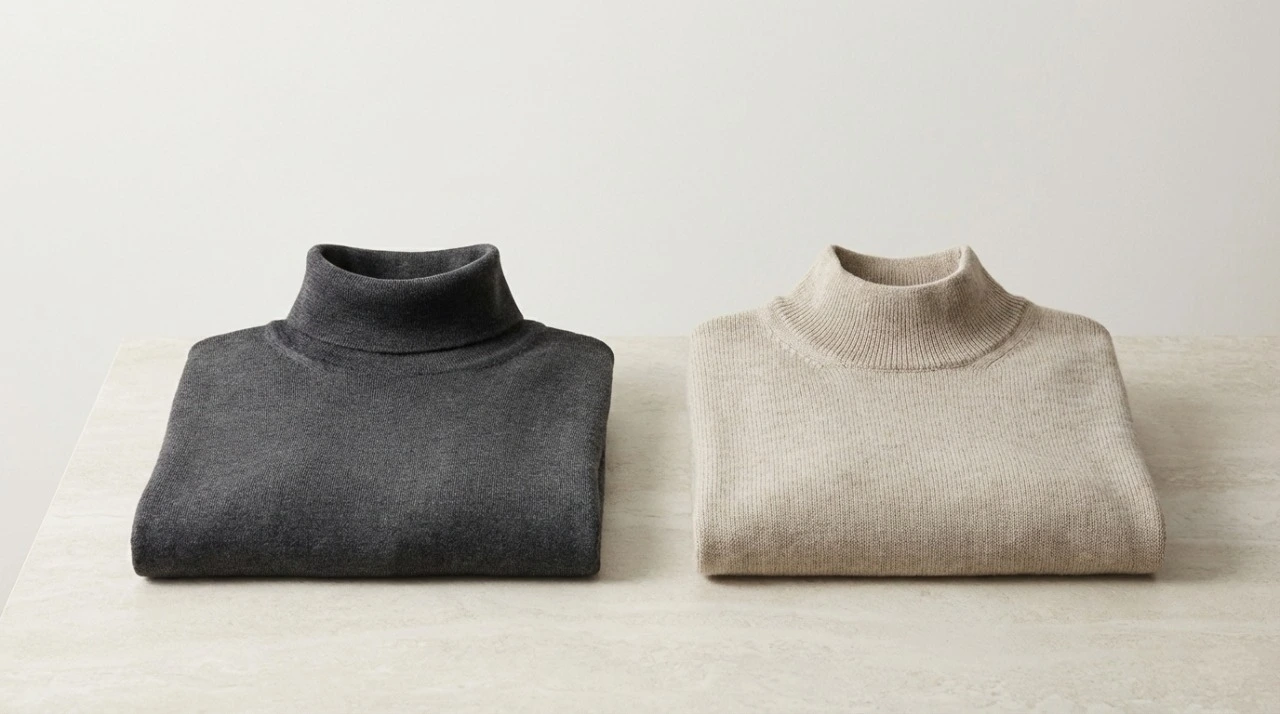
Turtlenecks feature high collars that fold over and cover your neck completely. This design provides serious warmth during cold weather. The extra fabric layer protects your neck from wind and low temperatures.
True turtlenecks have collars tall enough to fold over at least once. Mock turtlenecks offer shorter collars that stand up but don’t fold. Mock necks give you warmth without the full coverage some people find restrictive.
Turtlenecks create sleek, sophisticated silhouettes. They work well under blazers for a professional look or alone for a minimalist style. The high collar eliminates the need for scarves in moderate cold. Pair turtlenecks with structured pants or skirts for put-together outfits.
One customer told us she avoided turtlenecks for years because of childhood memories of scratchy wool versions. When she tried on our fine merino turtleneck, she bought three colors immediately. The lesson: material quality determines whether you’ll actually wear turtlenecks. Look for soft materials that don’t irritate your neck. Quality turtlenecks use fine-gauge knits that lie flat rather than bunching.
Cardigan Sweaters: Ultimate Versatility
Cardigans open completely in front, making them the most practical sweater type. You can remove them quickly when you warm up or add them instantly when temperatures drop. This convenience makes cardigans essential for unpredictable weather.
Button-up cardigans remain the classic style. Buttons run from the neckline to the hem, letting you wear them fully fastened or open. They work in professional settings when you need polished layering. Button cardigans also transition smoothly between indoor and outdoor environments.
Zip-up cardigans offer a sportier style with quick on-off convenience. The zipper keeps the cardigan securely closed, unlike buttons that may gap. Many zip versions include stand collars or hoods for added weather protection. These work great for people who commute by bike or walk outdoors frequently.
Waterfall cardigans drape open naturally with no closures at all. They create flowing, relaxed silhouettes perfect for casual settings. Since you can’t close them, waterfall cardigans work better in mild weather or as purely decorative layers.
When shopping for cardigans, check the button or zipper quality carefully. Hardware should feel substantial and operate smoothly. At Innovate Apparel, we use reinforced buttonholes and YKK zippers that won’t fail after a few months of wear. Cheap zippers are the number one reason cardigans get thrown out prematurely.
Cable Knit Sweaters: Texture and Tradition
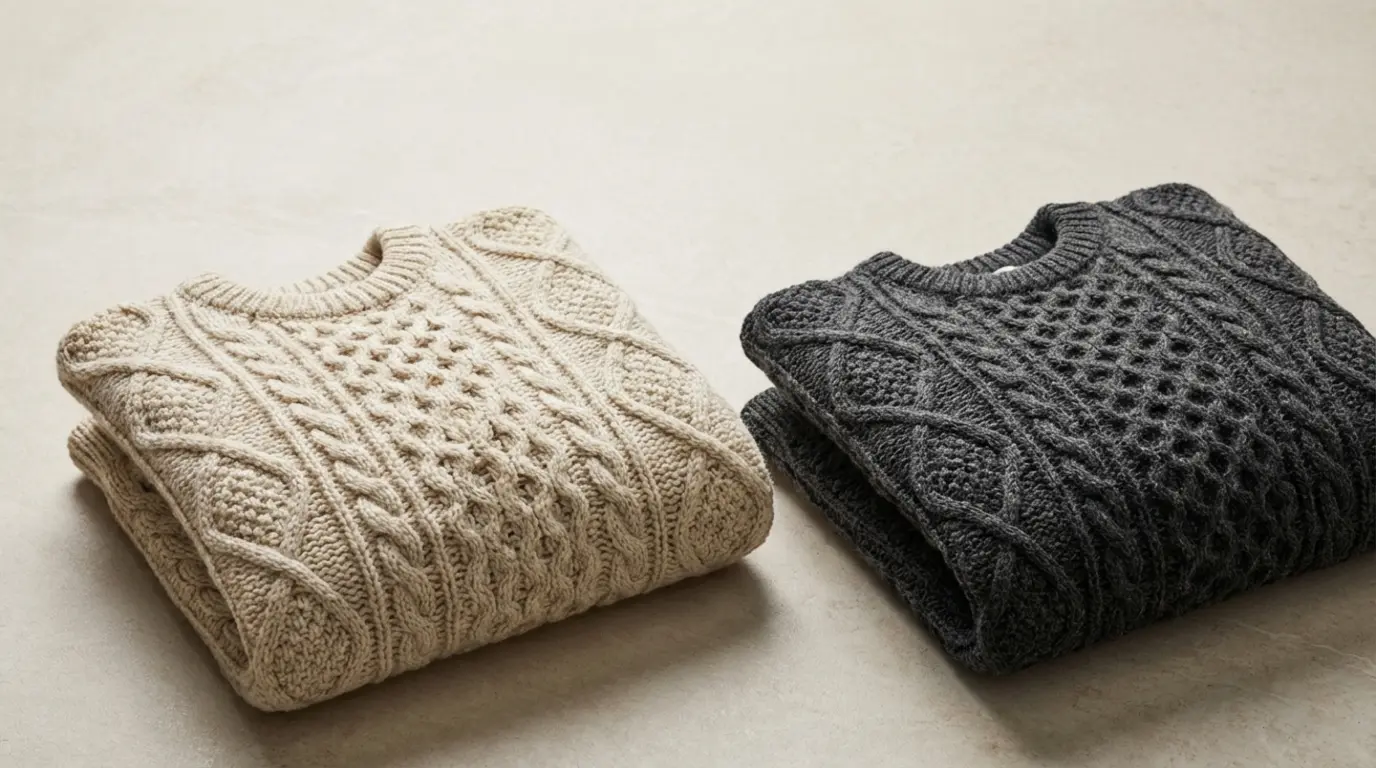
Cable knit sweaters showcase raised, twisted patterns that resemble braided ropes. This technique creates thick fabric with excellent insulation. The cable twists trap air between layers, providing serious warmth.
Cable knits originated with Irish fishermen who needed durable, weatherproof clothing. Traditional Aran sweaters feature multiple cable patterns combined in one garment. Each pattern historically carried a specific meaning for fishing families; some represented rope for safety, others fishing nets for livelihood.
Modern cable knits adapt this heritage craft for everyday wear. The textured patterns add visual interest even in solid colors. Cream, navy, charcoal, and burgundy work particularly well for cable knits. The raised patterns catch light and create depth that solid, smooth knits can’t match.
Cable knits work beautifully for casual winter outings. They pair naturally with jeans and boots. The substantial fabric makes them perfect as outer layers rather than under jackets. Quality cable knits maintain their pattern definition over time rather than flattening out with wear. Look for tight twists that feel firm, not loose.
Fair Isle Sweaters: Colorful Pattern Work
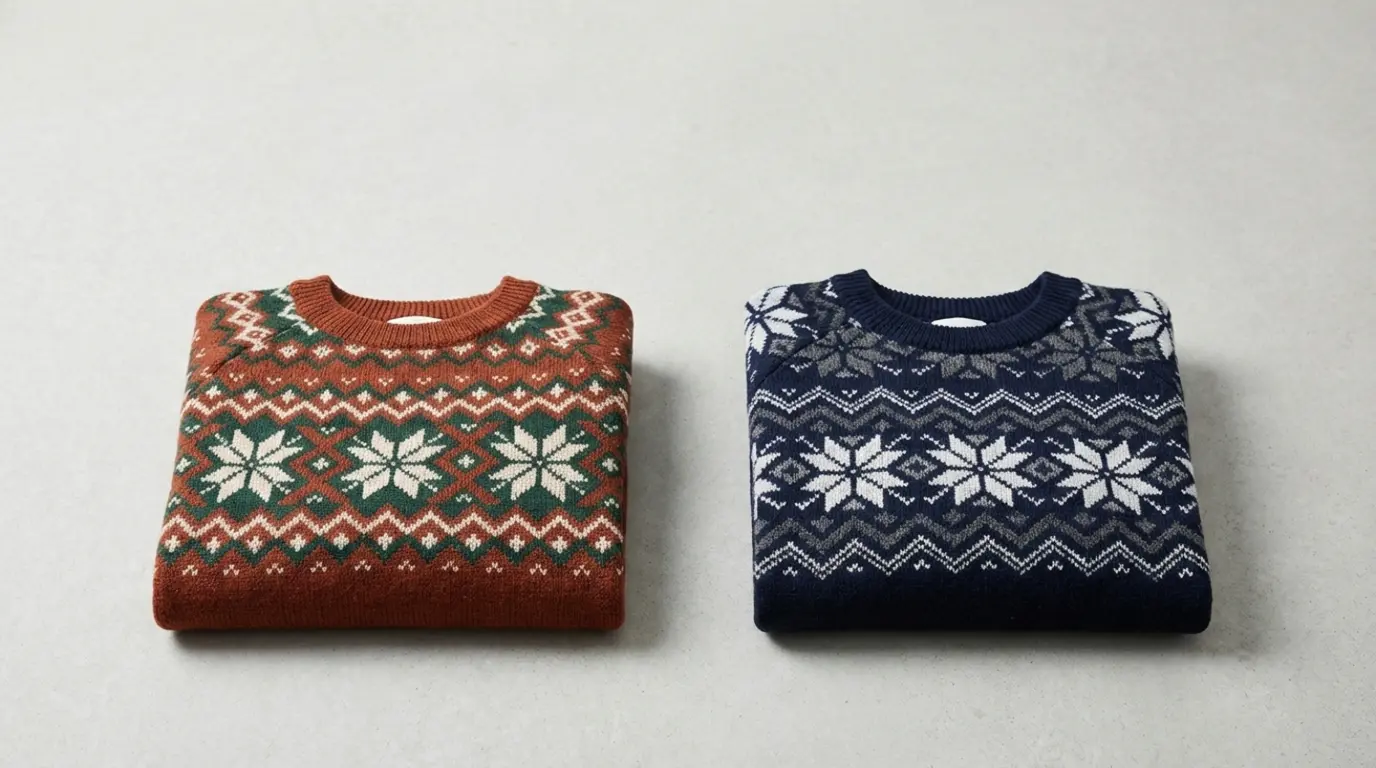
Fair Isle sweaters display repeating geometric patterns in multiple colors. This Scottish knitting tradition uses different yarn colors in each row without creating bulk. The result is intricate designs in lightweight fabric.
Common Fair Isle motifs include snowflakes, diamonds, and Nordic-inspired shapes. These patterns bring visual energy to winter wardrobes. Fair Isle sweaters work well for holiday gatherings or adding personality to casual outfits without looking like you tried too hard.
Traditional Fair Isle uses natural, muted tones, think rust, forest green, cream, and charcoal. Modern versions incorporate brighter colors. Both styles create eye-catching looks that stand out from solid sweaters. The patterns work best in pullover styles rather than cardigans because the design flows continuously around the body.
When choosing Fair Isle sweaters, look for clear, well-defined patterns. Blurred or messy color changes indicate lower quality knitting. The pattern should remain consistent around the entire garment without obvious starting or stopping points. We’ve seen Fair Isle sweaters where the pattern doesn’t match at the side seams; that’s a sign of careless construction.
Other Types of Sweaters You Should Know About
While dozens of specialty sweater styles exist, the core types of sweaters above handle every essential situation. Here are a few you might encounter:
- Henley Sweaters – Button placket neckline (2-5 buttons) for adjustable ventilation
- Shawl Collar Cardigans – Wide draped collar adds warmth around shoulders
- Sweater Vests – Sleeveless layers perfect over dress shirts for preppy looks
- Argyle Sweaters – Diamond patterns in contrasting colors for golf and business casual
- Hoodies – Casual athletic style with front zippers, pockets, and optional hoods
- Boyfriend Sweaters – Oversized relaxed fit borrowed from menswear styling
- Tunic Sweaters – Extended length covers hips, pairs well with leggings
- Cowl Neck Sweaters – Draped, loose collar that folds naturally around the neck
- Mock Neck Sweaters – Short standing collar (1-2 inches) without the fold of turtlenecks
- Wrap Sweaters – Ties or wraps around the waist like a robe for adjustable fit
- Poncho Sweaters – Cape-like design without traditional sleeves, drapes over shoulders
- Fisherman Sweaters – Chunky textured patterns originally designed for maritime work
- Quarter-Zip Sweaters – Partial zipper at collar for sporty, casual temperature control
- Dolman Sleeve Sweaters – Wide, flowing sleeves attached at or below the waistline
- Bell Sleeve Sweaters – Sleeves that flare dramatically at the wrists
- Cropped Sweaters – Shortened hem that hits above the natural waistline
- Longline Sweaters – Extended length that falls below the hips, often to mid-thigh
- Ribbed Sweaters – Vertical texture throughout for fitted, stretchy comfort
- Oversized Sweaters – Intentionally large, relaxed fit for cozy, casual styling
These serve niche purposes or represent variations on the core styles already covered. Master the six essential types, build your 3-sweater foundation, then explore specialty styles only if they solve specific problems your core wardrobe doesn’t address. Most people wear the same five sweaters repeatedly, even when they own 15 specialty pieces.
How to Identify Quality Sweaters That Last
Quality sweaters last years instead of months. Most people can’t tell the difference between a $50 sweater and a $150 sweater by looking. Here’s what separates them:
Examine the knit density first. Hold the sweater up to the light. Tight, even knitting shows fewer gaps. Loose knits wear out faster and lose shape quickly. The fabric should feel substantial without being stiff. Press your thumb into the fabric; it should spring back immediately.
Inspect all seams carefully. Stitching should be straight and even with no loose threads. Side seams, shoulder seams, and armholes receive the most stress. Reinforced seams in these areas indicate better construction. Turn the sweater inside out and check if the seams are finished properly, not just raw edges.
Test the ribbing at cuffs, hem, and neckline. This ribbed trim should feel elastic and spring back when stretched. Loose ribbing means the sweater will lose shape after wearing. Quality ribbing maintains tension even after multiple washes. We test ours by stretching the cuff 50 times before approving any design.
Check the yarn itself. Pilling happens when short fibres work loose and form little balls on the surface. Better quality yarns use longer fibres that pill less. Rub the fabric between your fingers vigorously for 10 seconds. Excessive shedding or fuzz indicates lower quality material.
Here’s something most retailers won’t tell you: that $200 cashmere sweater and the $80 merino wool sweater from Innovate Apparel will last the same amount of time if you care for them properly. The price difference is feel, not durability. We’re transparent about this because we’d rather you buy the right sweater than the most expensive one. Cashmere feels luxurious but requires delicate care. Merino performs similarly with easier maintenance.
The 3-Sweater Wardrobe System
You don’t need 15 sweaters cluttering your closet. You need the right three, then build from there.
The Professional – One V-neck in charcoal or navy, midweight merino wool. This handles every business casual situation from client meetings to office presentations. Wear it over dress shirts or alone with chinos. This single sweater covers 40% of professional wardrobe needs.
The Weekend Warrior – One crew neck in your favorite color, any weight that suits your climate. This becomes your go-to for coffee runs, grocery shopping, casual dinners, and relaxing at home. Choose a color you actually enjoy wearing, not just another neutral. Comfort matters most here.
The Statement Piece – One bold choice: cable knit, Fair Isle, or vivid color. This adds personality and handles occasions when you want to look intentional without formal clothing. Holiday parties, casual dates, and social gatherings all work with your statement sweater.
This covers 90% of situations. Add more only after wearing these consistently for a season. We developed this system after noticing customers who bought 10 sweaters at once wore only three regularly. Start with your core three, identify gaps in your actual routine, then add specific pieces to fill those gaps.
Choosing Sweaters for Winter Weather
Winter demands sweaters that actually keep you warm, not just look cozy. Several types excel in cold conditions.
Heavyweight cable knits provide maximum insulation. The thick yarn and raised patterns trap substantial air for warmth. These work well as outer layers in temperatures below 40°F. Pair them with coats for extreme cold. One Chicago customer told us our cable knit kept him comfortable during a polar vortex when his usual coat failed him.
Turtlenecks protect your neck from wind and cold air. This coverage matters more than most people realize. Your neck is vulnerable to heat loss that affects your entire body temperature. Merino wool turtlenecks offer warmth without bulk under winter coats.
Layering multiple sweaters works better than one very thick piece. Try a lightweight merino base layer under a midweight crew neck or cardigan. This creates air pockets that insulate effectively while allowing temperature adjustment throughout the day.
Material matters significantly in winter. Wool provides the best warmth-to-weight ratio and continues insulating even when damp from snow. Cashmere offers luxury warmth but costs more and requires careful care. Avoid cotton for winter; it absorbs moisture and loses insulating properties when wet, which can actually make you colder.
Our winter collection at Innovate Apparel focuses on practical warmth without sacrificing style. We stock heavyweight options that actually protect against harsh weather while maintaining clean, modern silhouettes. No bulk, just performance.
Pullover vs. Cardigan
People constantly ask about the difference between pullovers and cardigans. The distinction is straightforward: pullovers have no front opening while cardigans open completely.
Pullovers slip over your head. This creates clean lines with no visible closures. They work well when you’ll keep the sweater on all day. Pullovers include crew necks, V-necks, turtlenecks, and most specialty knit styles like cable knit and Fair Isle.
Cardigans button, zip, or drape open in front. This makes them easy to remove quickly without messing up your hair or makeup. Cardigans excel for variable temperatures or when you’ll move between different environments. They layer well over other pieces without the struggle of pulling fabric over your head.
Some people prefer pullovers for their streamlined appearance. Others choose cardigans for practicality. Stock both types of sweaters to cover different needs. Most well-rounded wardrobes include twice as many pullovers as cardigans simply because pullovers work for more situations.
The term “jumper” causes confusion internationally. In the UK and Australia, “jumper” means pullover sweater. Americans use “jumper” to describe sleeveless dresses worn over shirts. When shopping internationally online, remember this terminology difference to avoid ordering the wrong item.
Current Sweater Trends and Popular Colors in 2026
Sweater trends shift seasonally, but certain styles remain consistently popular. As of January 2026, oversized fits continue dominating casual wear. These relaxed silhouettes pair well with fitted pants or leggings for balanced proportions.
Neutral tones work best for building versatile wardrobes. Charcoal gray, navy, camel, and cream match everything in your closet. Black sweaters look sophisticated but show lint and pet hair easily. Skip black if you have cats or dogs. Oatmeal and light gray hide daily wear better than stark white or black.
Earth tones gained significant popularity over the past year. Rust, olive, chocolate brown, and terracotta bring warmth without bright colors that limit outfit combinations. These shades work across seasons and complement most skin tones beautifully.
For those wanting color, jewel tones like emerald, sapphire, and burgundy add richness without feeling juvenile. These deeper shades look more sophisticated than pastels. They also hide stains better than lighter colors, practical for people who eat lunch at their desks.
Texture remains crucial in current trends. Ribbed sweaters, popcorn knits, and cable patterns add dimension. Mixed textures within single garments create visual interest without busy patterns that date quickly.
At Innovate Apparel, we stock classic colors that never go out of style alongside seasonal trend colors. This approach ensures you’ll wear your sweaters for years, not just one season. We’ve watched trends cycle through for five years now, neutrals and earth tones consistently outsell fashion colors three to one.
Caring for Your Sweater
Proper care extends the sweater’s lifespan dramatically. Most people wash sweaters too frequently. Spot clean small stains and air out sweaters between wears. Full washing should happen only when actually dirty or at the start and end.
Wool sweaters require gentle handling. Hand wash in cool water with wool-specific detergent like Eucalan or Soak. Never wring wool, press water out gently and reshape while damp. Lay flat to dry on a clean towel away from direct heat. Heat and agitation cause wool to shrink or felt into stiff, unwearable fabric.
Cotton tolerates machine washing better than wool. Use warm water and regular detergent. Tumble dry on low or lay flat to prevent stretching. Cotton may shrink slightly in the first washes; some people intentionally size up to account for this.
Cashmere needs the most delicate care. Hand wash in cold water with a gentle detergent formulated specifically for delicate fabrics. Roll the sweater in a towel to remove excess water, then reshape carefully and dry flat. Never hang wet cashmere; it stretches under its own weight and ruins the fit permanently.
Store all sweaters folded, never hung. Hanging stretches the shoulders and distorts shape, creating those annoying bumps at the shoulder line. Use cedar blocks or lavender sachets to prevent moth damage during storage. Moths attack natural fibres, especially wool and cashmere, and can destroy expensive sweaters in weeks.
Quality sweaters justify their cost through longevity. Our Innovate Apparel sweaters include care instructions specific to each material on every hang tag. Follow them and your sweater will outlast cheaper alternatives by years. We guarantee it.
Frequently Asked Questions
What's the difference between a sweater and a sweatshirt?
What type of sweater works for professional settings?
How many sweaters does someone actually need?
Which sweater material lasts longest?
Can you wear sweaters in warmer months?
What's the warmest sweater type?
Ready to Choose from One of the Types of Sweaters?
Finding the right types of sweaters transforms daily dressing from decision fatigue into an effortless routine. Each style serves specific purposes, from professional V-necks to cozy cable knits for winter weekends. Build your collection based on your climate and lifestyle, focusing on quality pieces that last years instead of cheap options requiring constant replacement.
At Innovate Apparel, we craft sweaters designed for real life, durable construction, timeless styles, and materials that perform through years of regular wear. Our collection covers every type discussed here, ensuring you’ll find exactly what you need, whether dressing for the office, casual outings, or harsh winter weather. Start with our 3-sweater system, then expand as your wardrobe needs become clear.