
Finding a niche apparel manufacturer is one of the first major decisions you need to make when turning a clothing concept into a real brand. The challenge starts when you actually work to find a reliable streetwear manufacturer.
You need a manufacturer that understands your product, can follow your specifications, produces consistent quality, communicates clearly, and can meet your production requirements.
This guide explains how to find and evaluate a reliable streetwear manufacturer. As you progress further, you will learn where to find manufacturers, what to prepare before contacting them, and more.
What Is a Streetwear Manufacturer?
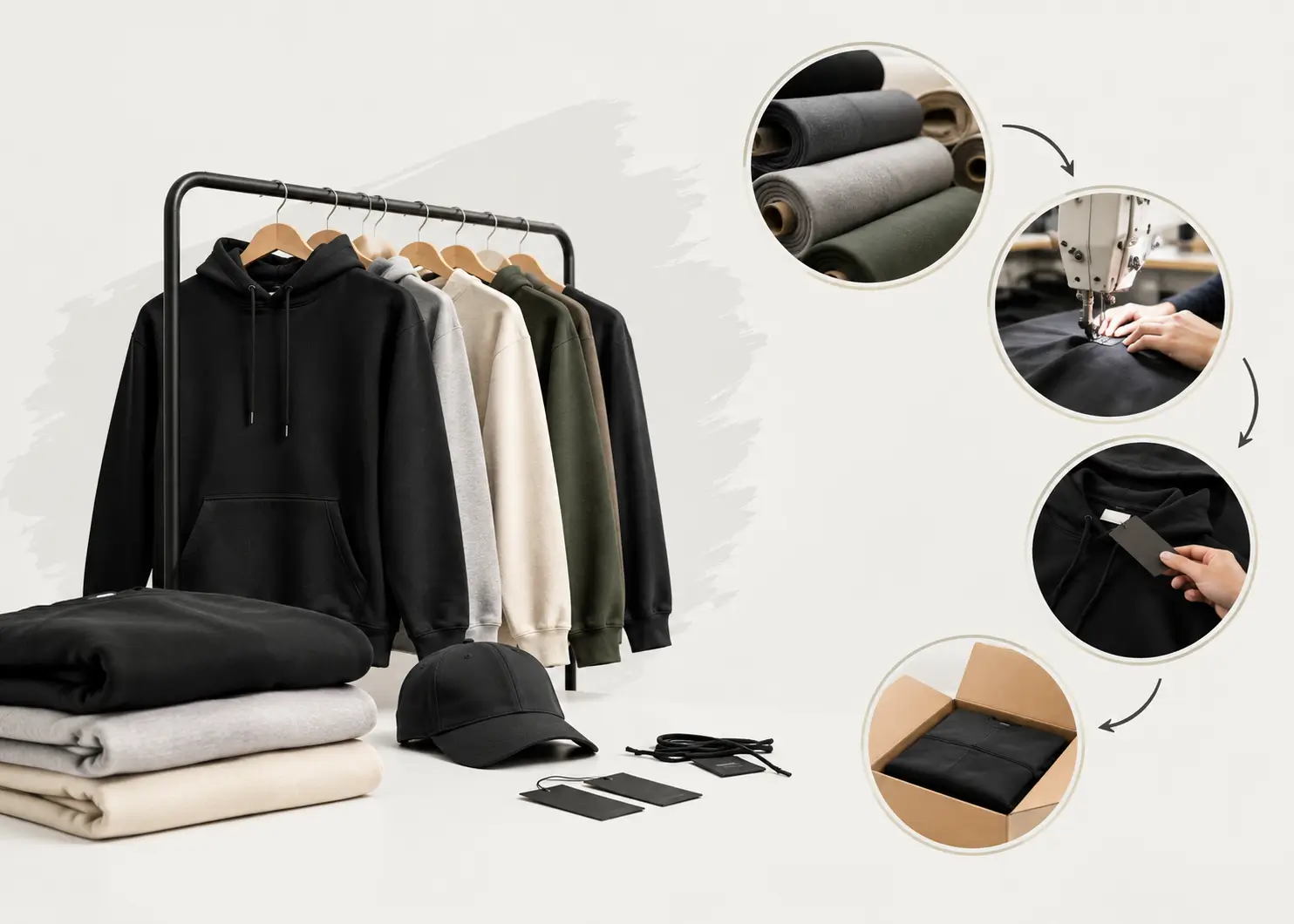
A streetwear manufacturer produces clothing and apparel according to a brand’s production requirements. Depending on the manufacturer, services can include fabric sourcing, pattern development, cutting, sewing, printing, embroidery, labeling, packaging, quality control, and bulk production.
A streetwear manufacturer may produce products such as:
- T-shirts
- Hoodies
- Sweatshirts
- Jeans
- Jackets
- Track Suit
- Joggers
- Shorts
- Hats
- Accessories
Manufacturers also work under different production models. Understanding these models helps you contact companies that actually match your business needs.
Private Label Manufacturers
A private label manufacturer provides existing garment styles that you can customize with your branding.
Customization may include labels, tags, colors, embroidery, printing, packaging, and other brand elements. Private label production can reduce product development work when you want to launch a collection using established garment constructions.
Ask about available blanks, customization options, fabric choices, sizing, and MOQ before choosing this model.
Print-on-Demand Suppliers
Print-on-demand suppliers produce products after customers place orders. They typically handle printing and fulfillment, which reduces the need to purchase and store inventory upfront.
This model can help you test designs and demand with smaller inventory commitments. It provides less control over garment construction and manufacturing specifications than a custom cut-and-sew process.
Cut-and-Sew Manufacturers
A cut-and-sew manufacturer creates garments from patterns and specifications supplied by your brand. You can define the fabric, measurements, fit, construction, trims, stitching, labels, and other details.
This model works well when you have original designs and want greater control over the finished garment.
A cut-and-sew streetwear manufacturer may help with the development process as well as bulk production. Ask each manufacturer which parts of the process they handle in-house and which processes they outsource.
Wholesale Suppliers
Wholesale suppliers sell finished apparel in bulk. You can purchase existing products and resell them through your store or other sales channels.
Wholesale production can work when you need ready-made streetwear products. It provides less control over original garment development because the supplier already determines the product construction.
Decide What Type of Streetwear Manufacturer You Need
Before searching for streetwear manufacturers, define the type of production you need. Your choice should reflect your designs, budget, expected order volume, customization requirements, and stage of business.
Manufacturer type | Upfront cost | Customization | MOQ | Inventory |
Cut-and-sew | Higher | High | High | Yes |
Private label | Medium | Medium to high | Low – Medium | Yes |
Wholesale | Medium | Low | Medium | Yes |
Print-on-demand | Low | Medium | Very low | No |
Small-batch manufacturer | Medium | High | Lower | Yes |
A new streetwear brand may need small production runs while it tests products. An established brand may prioritize production capacity, consistent quality, competitive unit costs, and reliable lead times.
Define your priorities before contacting manufacturers so you can compare suppliers against the same requirements.
You might want to take a look at: How to Start a Streetwear Clothing Brand
What to Prepare Before Contacting a Streetwear Manufacturer
Manufacturers need enough information to understand what you want to produce. A vague request such as “How much does a hoodie cost?” rarely produces a useful comparison.
Prepare your product information before requesting quotes.
- Define Your Product
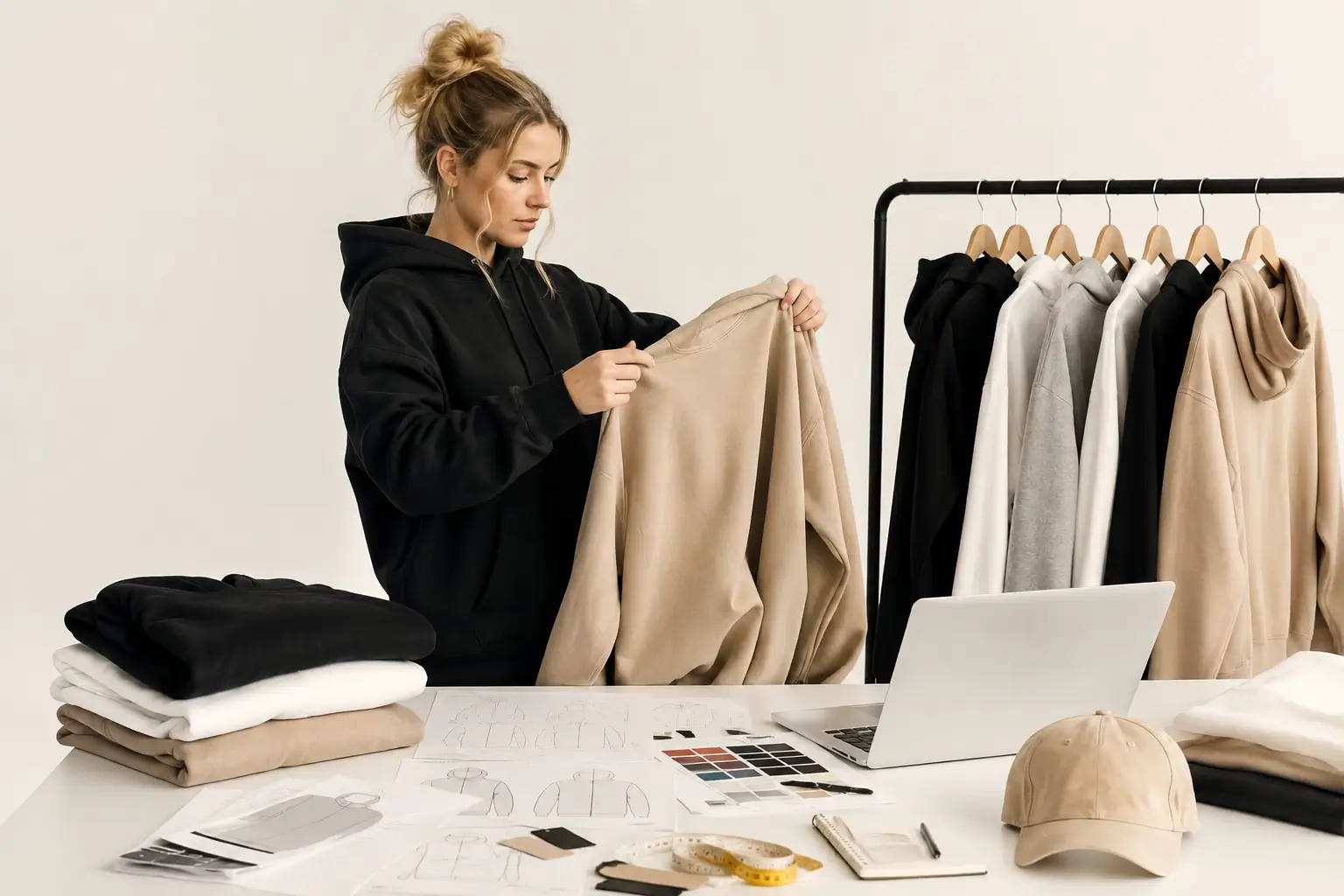
Document the specifications for every product you want to manufacture.
The more precise your specifications, the easier it becomes for a manufacturer to calculate production requirements and provide a meaningful quote.
- Create a Tech Pack
A tech pack gives a clothing manufacturer the technical information required to produce your garment. A typical tech pack can include: technical drawings, garment measurements, size specifications and more.
A detailed tech pack also gives you something to use when comparing samples. You can check the finished garment against the specifications you originally provided.
- Set Your Target Quantity
Determine how many units you expect to order.
Separate your expected quantities into sample and future production quantity.
Your expected volume can affect which streetwear clothing manufacturer makes sense for your business. A factory that specializes in custom bulk production runs may have a different MOQ and workflow from a small-batch clothing manufacturer.
- Establish Your Target Budget
Know your target product cost before requesting quotes.
Your target budget should account for more than the manufacturer’s unit price. Consider sampling, packaging, shipping, duties, taxes, inspection, labeling, and other costs that can affect the final landed cost.
Where to Find a Streetwear Manufacturer
You can build a manufacturer shortlist through several channels. Use multiple sources so you can compare different production capabilities and commercial terms.

Spot 1: Manufacturer Directories
Manufacturer directories can help you identify clothing factories and apparel manufacturers that serve particular markets or product categories.
Use directories as a starting point for research. Review each company’s capabilities, product specialization, location, MOQ, customization options, and available production services before contacting them.
Spot 2: B2B Marketplaces
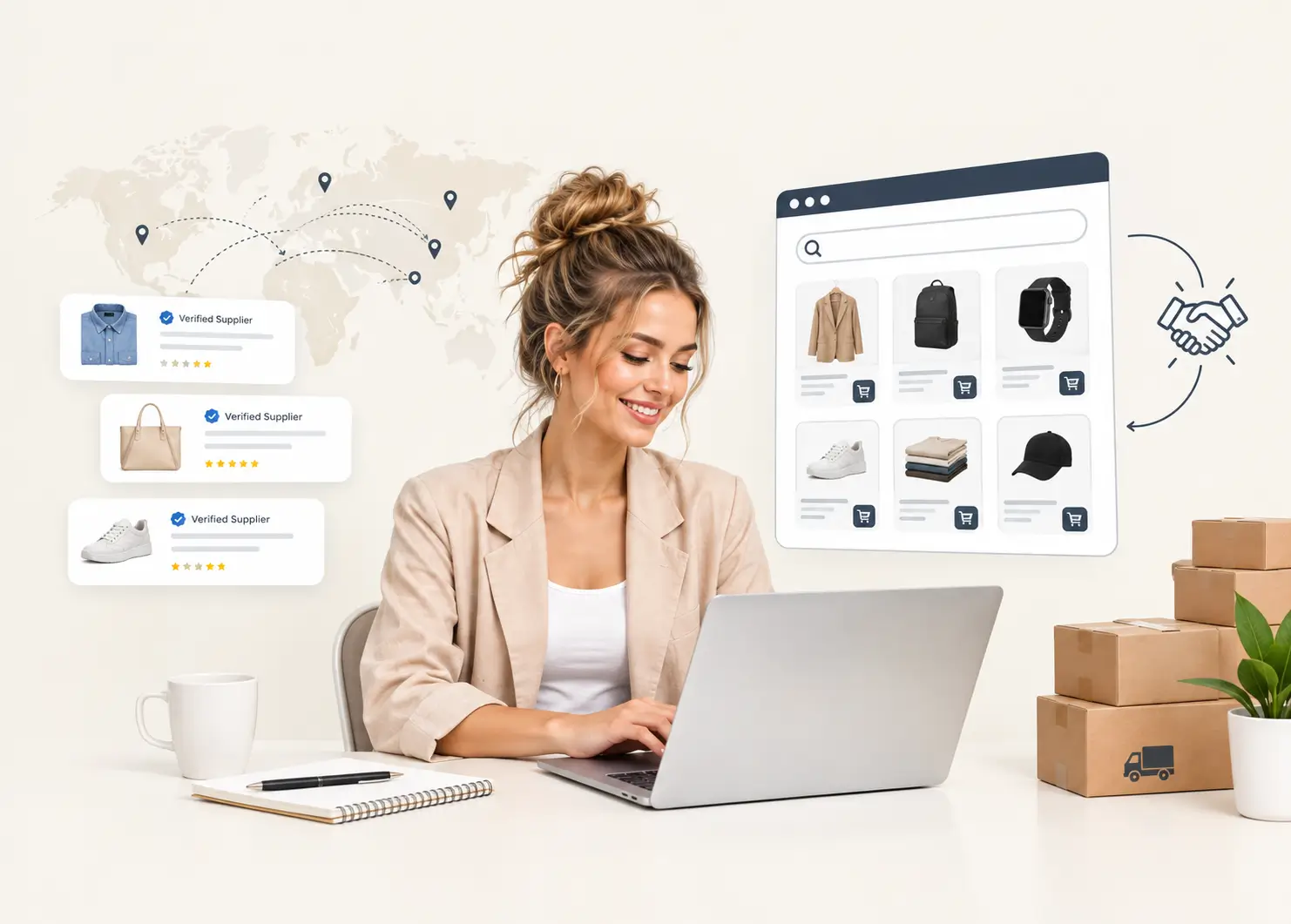
B2B marketplaces provide access to large numbers of clothing suppliers and manufacturers.
They can help you build an initial list quickly. Marketplace profiles can provide useful information about product categories, order quantities, locations, and supplier services.
Treat marketplace information as an initial research signal. Verify the company’s actual manufacturing capabilities, sample quality, production process, and business information before placing an order.

Spot 3: Search Engines
Search engines can help you find manufacturers that specifically target streetwear production.
Useful searches include:
- “streetwear manufacturer”
- “streetwear clothing manufacturer”
- “custom streetwear manufacturer”
- “private label streetwear manufacturer”
- “cut and sew streetwear manufacturer”
- “low MOQ streetwear manufacturer”
- “small batch clothing manufacturer”
- “streetwear apparel manufacturer”
- “clothing manufacturer for startups”
Add a location when you have a specific production market in mind, such as “streetwear manufacturer USA” or “overseas clothing manufacturer.”
Spot 4: Trade Shows and Apparel Events
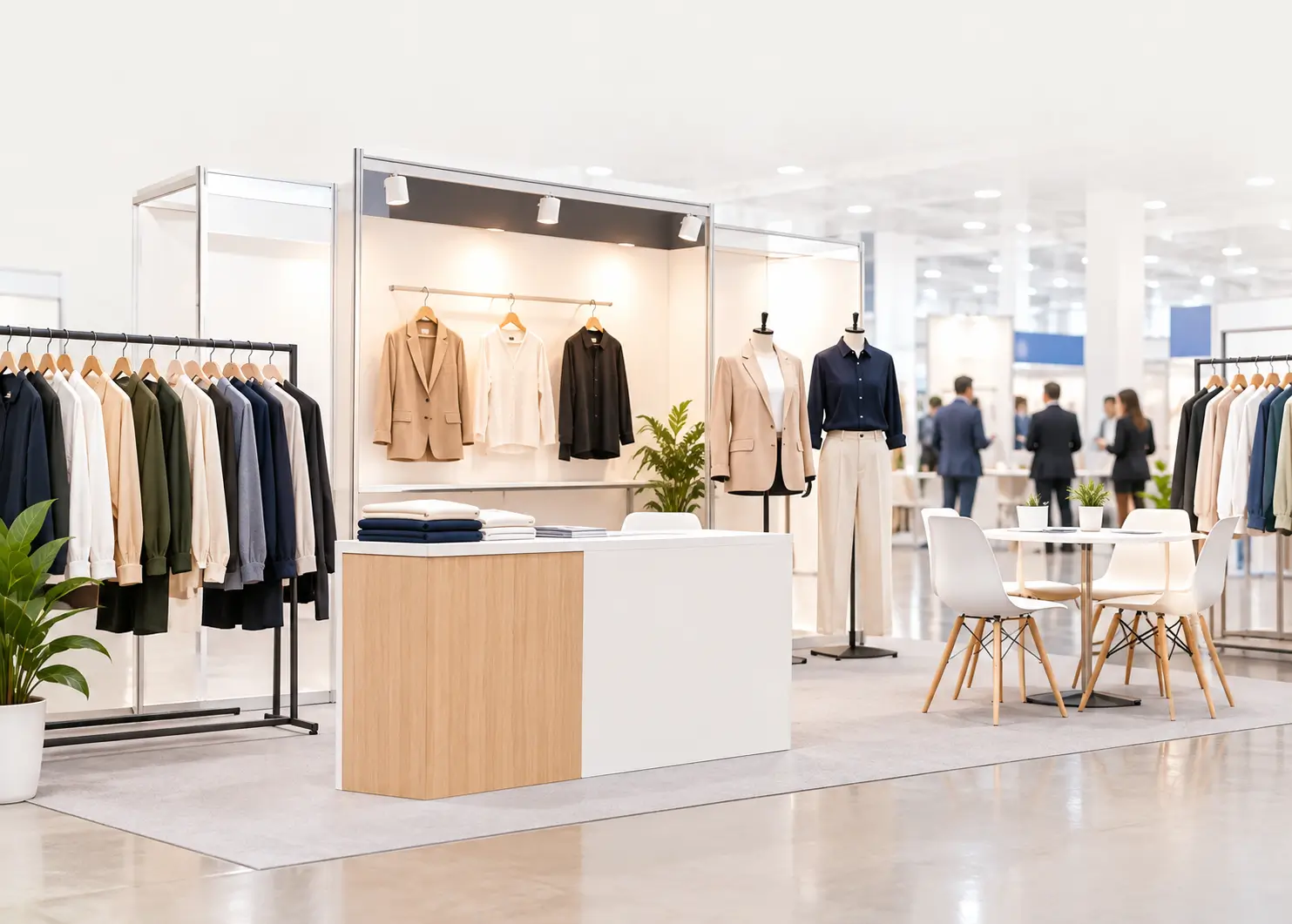
Trade shows and apparel events can give you opportunities to meet manufacturers and suppliers directly.
You can discuss products, inspect samples, ask about production capabilities, and learn more about the manufacturer’s specialization. In-person conversations can also help you understand how a company communicates and handles technical questions.

Spot 5: Referrals and Industry Networks
Designers, fashion entrepreneurs, sourcing professionals, and apparel industry contacts can help you identify manufacturers they have worked with.
Ask for specific information about product quality, communication, MOQ, lead time, pricing, and how the manufacturer handled production issues.
A referral can shorten your initial research, but you should still evaluate the manufacturer against your own requirements.
Local vs. Overseas Manufacturers
You can source a streetwear manufacturer locally or work with an overseas clothing manufacturer.
Local production can simplify communication, factory visits, shipping, and coordination. Overseas production may provide access to different manufacturing capabilities, larger production networks, or different cost structures.
The right choice depends on your product, budget, quantity, quality requirements, target market, shipping requirements, and timeline.
For a detailed comparison, check out our other blog:
China vs USA Clothing Manufacturing: Which Is Better for Your Brand in 2026?
How to Shortlist Streetwear Manufacturers
Creating a shortlist after evaluating each streetwear manufacturer using the same criteria helps you make a structured comparison.
Consider key factors such as:
- Manufacturing capabilities
- Product specialization
- MOQ
- Pricing
- Sample process
- Payment terms
A manufacturer that specializes in your product category can often provide more relevant technical guidance than a general clothing supplier.
Verify That the Company Actually Manufactures Products
Find out whether the company operates its own factory, works through partner factories, or acts as a trading company or intermediary. This helps you understand who controls production and where your garments will actually be manufactured.
It answers questions such as:
- Where does production take place?
- What products do you manufacture in-house?
- Which production processes do you outsource?
- Who performs quality control?
- Where does final inspection take place?
Use the answers to understand the manufacturer’s actual production structure.
Questions to Ask a Streetwear Manufacturer
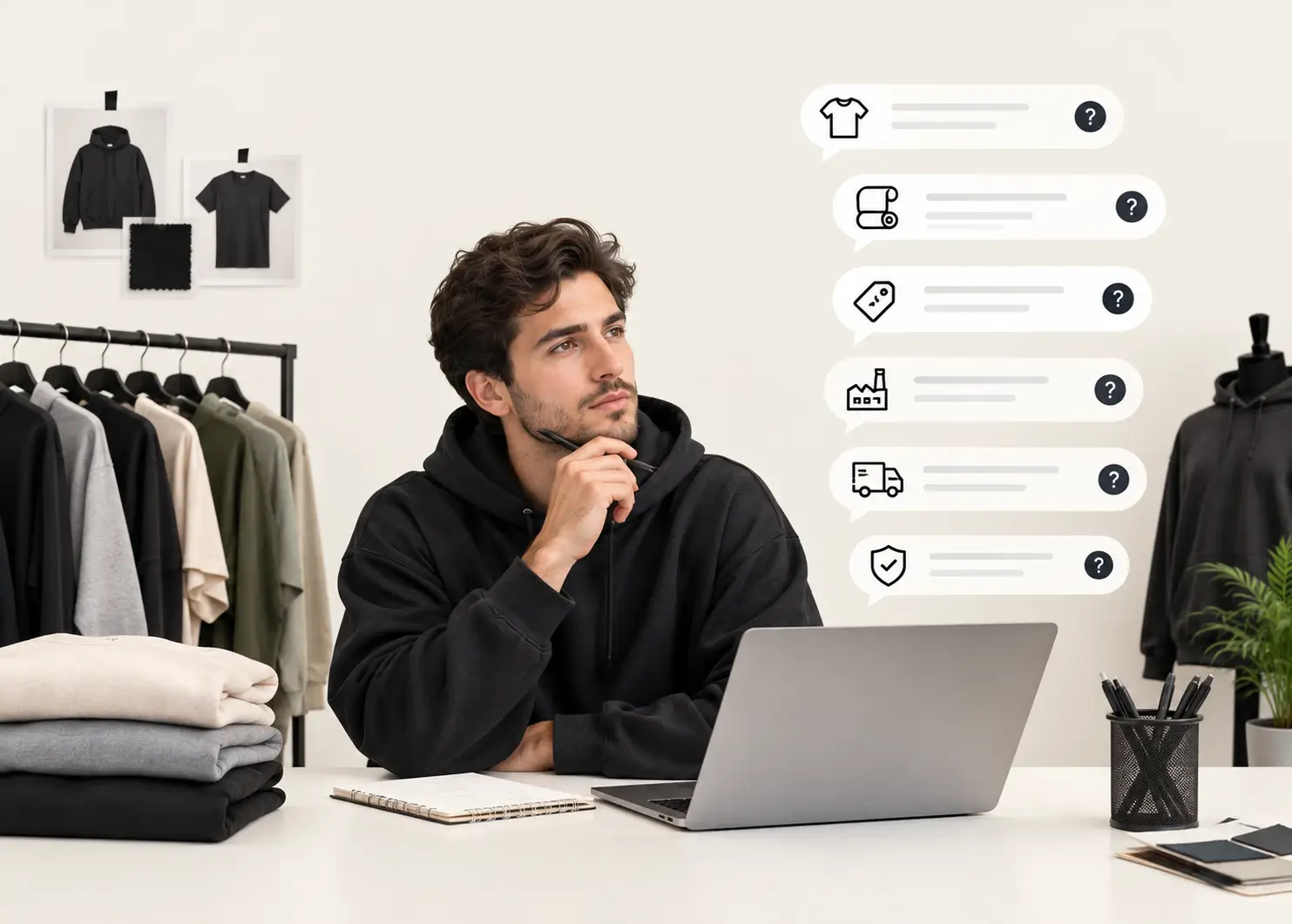
If you are that keen on getting all the information you need. You can begin asking some questions so you can compare manufacturers before committing to production.
Here’s an example of the top questions you might want to ask.
- What is your MOQ?
- Can you produce a smaller first order?
- Can you manufacture custom designs?
- Does custom fabric require a higher MOQ?
- What fabrics do you offer?
- Can you match a specific GSM?
- Can you create custom patterns?
- How much does a sample cost?
- How long does sampling take?
- How many revisions can I request?
- Is packaging and shipping included?
- What shipping options do you offer?
- How do you handle defective or incorrect goods?
Keep the answers in writing so you can compare manufacturers using the same information.
How to Avoid Streetwear Manufacturing Scams
Supplier verification matters because online listings do not automatically prove manufacturing capability or business reliability.
Watch for warning signs such as:
- Refusing to provide samples
- Constantly changing payment details
- Demanding full payment without clear terms
- Providing inconsistent company information
- Refusing reasonable documentation
- Using stolen product images
- Avoiding manufacturing questions
- Pressuring you to order immediately
- Providing a dramatically lower quote without a clear explanation
One warning sign does not automatically establish that a supplier is fraudulent. Treat unusual behavior as a reason to investigate further.
Use a structured process:
Verify → sample → document → small order → inspect → scale.
Start with verification. Review samples and documentation. Keep production requirements in writing. Consider a smaller initial order when appropriate. Inspect the finished goods before expanding production.
Need Someone to Assist You with Streetwear?
Finding a reliable streetwear manufacturer requires more research than searching for a supplier and choosing the first company that responds.
Build a shortlist of manufacturers that match your product category and production requirements. Compare MOQ, pricing, samples, quality control, production capacity, communication, lead times, shipping, and payment terms.
Take time to verify the manufacturer’s production capabilities and document important commercial terms.
When you are ready to order, move through the process step by step, from final sample approval to quality inspection and shipment.
The goal is to find a streetwear manufacturer that will provide you with what your apparel requirements are. This is where Innovate Apparel comes in as the top pick by customers.
So what’s stopping you from contacting Innovate Apparel?
Frequently Asked Questions About Streetwear Manufacturers
What is the best streetwear manufacturer for a small brand?
What MOQ do streetwear manufacturers require?
How do I find a low-MOQ streetwear manufacturer?
How do I find a private label streetwear manufacturer?
Search for private label streetwear manufacturers and private label clothing manufacturers. You can also read our blog on private label manufacturers.